Enrique Castillo The Life Work and Legacy of a Powerful Latino Visionary

Enrique Castillo is a name that echoes through the halls of American film and theater as a voice of truth, resilience, and creative power. Born on December 10, 1949, in Calexico, California, Enrique Castillo grew up in a world defined by duality — between Mexico and the United States, between poverty and hope, between struggle and ambition. From the very beginning, his life was shaped by the tension of borders, both physical and emotional, and these experiences became the emotional foundation of his art. Castillo was not simply born into the entertainment world; he carved his path with perseverance, talent, and conviction. Over the years, he became a powerful storyteller — an actor, writer, and director whose body of work reveals the beauty, pain, and complexity of Latino identity. His performances, writing, and directing have influenced generations, not only because of their artistry but because of their honesty. To understand Enrique Castillo is to understand an artist who turned his heritage into his strength and used his craft to elevate voices too often silenced.
Early Life and Cultural Foundations of Enrique Castillo
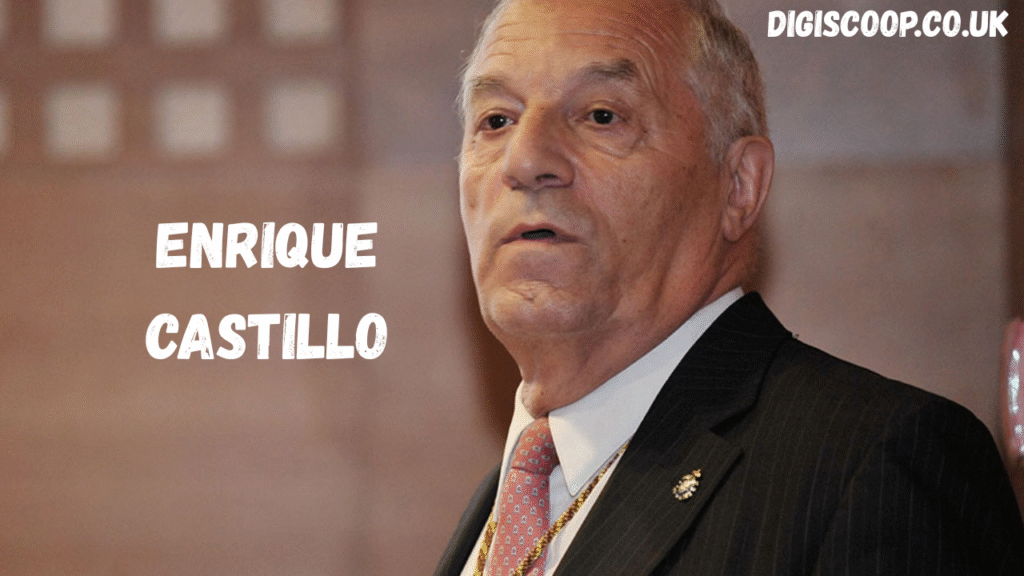
Growing up in Calexico, a town that straddles the California–Mexico border, Enrique Castillo was immersed in two cultures that shaped his worldview and identity. He learned to navigate between the traditions of his Mexican roots and the challenges of growing up in America, where representation of people like him was scarce. His upbringing was filled with the sounds of bilingual life, the rhythm of border towns, and the stories of hardworking people striving for dignity. From an early age, he saw how culture and community could be both a source of pride and a battlefield for survival. This understanding gave Castillo a deep empathy for human struggle and a burning desire to tell stories that mattered. His entry into the arts came when he joined El Teatro Campesino, the revolutionary theater troupe founded by Luis Valdez during the height of the Chicano Movement. The group’s mission was to use theater as a tool for social justice — performing plays in fields, community centers, and streets to highlight the lives of farmworkers and laborers. Castillo found his voice there. He learned that art could fight oppression, heal wounds, and connect people through shared truth. The lessons he learned in that creative revolution would forever define his approach to storytelling.
The Chicano Movement and Enrique Castillo’s Role in Activist Theater
Enrique Castillo’s years with El Teatro Campesino were some of the most formative of his life. The troupe was not just a theater group — it was a movement, born from the struggle for equality and the demand for recognition of Chicano culture. Castillo’s performances during this time were more than entertainment; they were acts of resistance and affirmation. The group’s plays blended humor, satire, and political message, giving voice to farmworkers who had been ignored by mainstream America. Traveling across the United States and beyond, Enrique Castillo brought energy and emotion to performances that reminded audiences that art could be revolutionary. His time in the movement instilled in him a profound sense of purpose — that being an artist meant being a servant of truth. He would later take these lessons with him into the world of film and television, where his portrayals of Latino characters broke barriers and challenged stereotypes. Castillo’s journey through activist theater was a declaration: art is not passive; it is power.
Rise to Fame From Stage to Screen
Enrique Castillo’s transition from theater to film marked the beginning of an extraordinary career in acting. His breakthrough came in Luis Valdez’s Zoot Suit, where he played Henry Reyna, the lead character based on a real-life case of injustice against Chicano youth in 1940s Los Angeles. Castillo’s performance was electric — raw, emotional, and deeply human. The play became a cultural milestone, the first Chicano production to reach Broadway, and Castillo’s portrayal was celebrated for its authenticity and strength. But his most iconic role arrived in 1993, when he portrayed “Montana,” the wise and commanding leader in the cult classic Blood In Blood Out. This film became more than just a movie; it became a symbol of Chicano identity, struggle, and brotherhood. Castillo’s performance was unforgettable, his presence commanding every scene with intelligence, restraint, and power. Unlike many stereotypical prison characters in Hollywood, “Montana” was not portrayed as a simple villain — he was a philosopher, a strategist, and a man of principle. Through that role, Enrique Castillo showed that Latino characters could be complex, noble, and deeply human. His performance remains one of the most respected and quoted in Latino cinema history.
Exploring Writing Directing and the Creation of Latino Spaces
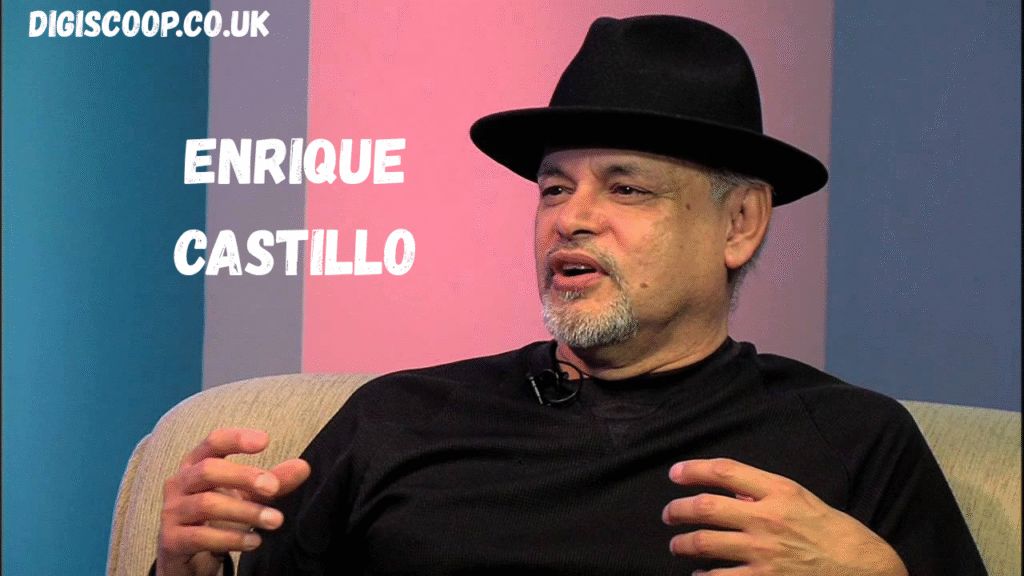
After establishing himself as an actor, Enrique Castillo expanded his reach into writing, directing, and producing. He co-founded the Latino Theater Company, an organization dedicated to developing and supporting Latino artists in the performing arts. Through this platform, he helped shape a space where new voices could thrive. In 1997, he launched Four Brown Hats Entertainment, a film and production company dedicated to telling authentic stories about the Latino experience. His work as a playwright was equally impactful. His play The Last Angry Brown Hat explored the lives of four former activists of the Chicano Movement who reunite years later to reflect on how their lives and ideals have changed. The play was humorous yet emotional, and it highlighted the internal conflicts of men caught between nostalgia and disillusionment. Castillo also wrote and directed Veteranos: A Legacy of Valor, which paid tribute to Latino veterans who served their country with pride and courage. The play received the prestigious Imagen Award for Best Live Theatrical Production, solidifying his reputation as a multi-dimensional artist who could speak truth in every medium.
Cultural Impact and Representation in Hollywood
Throughout his career, Enrique Castillo has fought for representation in an industry that has often marginalized Latino artists. Hollywood’s portrayal of Latinos has historically been limited to stereotypes — criminals, sidekicks, or caricatures. Castillo’s performances rejected those boxes completely. He gave his characters intellect, dignity, and emotional complexity, forcing audiences to see Latinos not as symbols but as people. His roles in films and television, such as Weeds, American Me, and Miami Vice, consistently reflected his dedication to truth. Behind the camera, Castillo used his voice to advocate for equity and opportunity for Latino talent, emphasizing the need for authentic storytelling and fair representation. His work paved the way for countless others, proving that one artist’s courage can open doors for an entire generation.
Philosophy Passion and Purpose
At the heart of Enrique Castillo’s work lies a clear philosophy — that art must serve a purpose greater than fame or profit. He believes storytelling is sacred, a way to reveal the soul of a people. In interviews and speeches, Castillo often speaks about the responsibility that comes with being an artist, especially one representing a community long misrepresented. His performances are not simply roles but reflections of lived truth. His writing echoes this same belief, addressing themes of family, loyalty, justice, and redemption. He has always seen his career as part of a larger mission — to honor his culture, challenge injustice, and inspire understanding through art. That passion continues to define his work and influence everyone who learns from his example.
Honors Awards and Critical Recognition
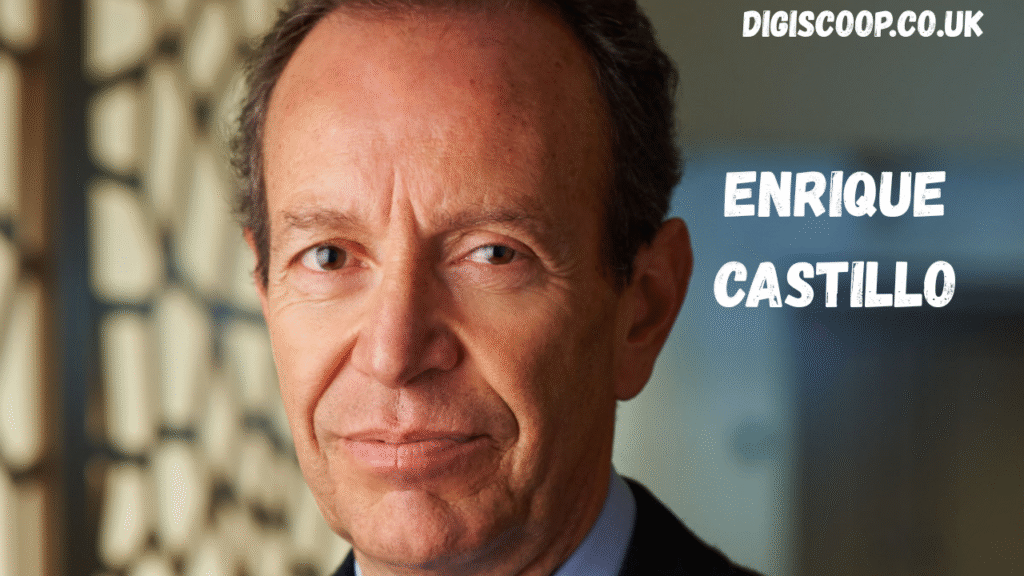
Over the decades, Enrique Castillo’s contributions have earned him admiration from audiences and critics alike. His stage and film work have been praised for their authenticity, and his writing has been honored for its courage and depth. His play Veteranos: A Legacy of Valor received the Imagen Award for Best Live Theatrical Production, while The Last Angry Brown Hat became a staple in Chicano theater for its humor, honesty, and emotional intelligence. His performances in Blood In Blood Out and Zoot Suit remain landmarks in American Latino culture. But beyond awards and applause, the truest recognition of Castillo’s genius comes from the generations of actors, writers, and directors he has inspired. His dedication to cultural storytelling has transformed the way Latino identity is seen and celebrated.
Legacy and Continuing Influence
Enrique Castillo’s legacy goes beyond his filmography or accolades; it lives in the spirit of those he has inspired. He stands as a mentor and symbol for young artists who wish to tell their own stories with integrity. His contributions to Latino cinema, theater, and activism continue to influence both the creative and cultural landscapes of America. Castillo proved that art is not defined by borders — it transcends them. His journey from the border town of Calexico to international recognition is proof that dreams rooted in truth can overcome any limitation. He represents a generation of artists who used creativity as resistance and love as revolution. His legacy is not just artistic but spiritual, a reminder that representation is not a privilege but a necessity for a just and inclusive culture.
Conclusion
Enrique Castillo’s life is a story of determination, creativity, and courage. From the fields of California to the stages of Broadway and the screens of Hollywood, he has used his talent to tell stories that matter. He turned pain into purpose and art into activism. His journey continues to inspire future generations of artists to rise, create, and speak their truth without fear.
FAQs
Q1: What is Enrique Castillo most famous for?
He is best known for his role as “Montana” in Blood In Blood Out, which remains one of the most iconic performances in Latino cinema.
Q2: What major theater groups has Enrique Castillo worked with?
He began his career with El Teatro Campesino and later co-founded the Latino Theater Company.
Q3: What awards has he received?
He received the Imagen Award for Best Live Theatrical Production for Veteranos: A Legacy of Valor.
Q4: What are the main themes of his work?
His work explores
Read More: The Graceful Life and Inspiring Journey of Diane Plese A Story of Strength Career and Dignity