Discover the Flavor of Grouse Cheese A Hidden Gem in Artisan Dairy
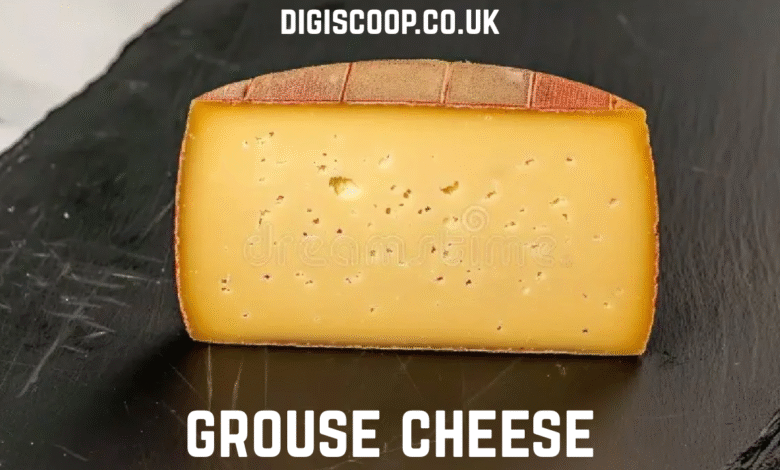
Grouse cheese is a fascinating example of how culinary heritage intertwines with natural landscapes, embodying a story that stretches across generations of cheesemakers. It is believed to have originated in rural regions where the grouse bird roamed freely, and local farmers relied on rich, untouched pastures to nourish their livestock. The environment played an essential role in shaping the flavor of the milk, and over time, artisans developed the practice of making grouse cheese as a way to preserve the seasonal abundance of dairy. The name “grouse cheese” represents more than just a product; it represents a bond between people, land, and tradition. It reflects the idea that the flavors of a place can be captured and celebrated through food, and in this case, through the slow, deliberate process of cheese making. From its humble beginnings in small cottages and mountain farms, grouse cheese became a symbol of rural pride and culinary craftsmanship, cherished by those who appreciate authenticity and natural taste in their food.
The Making and Artistry of Grouse Cheese
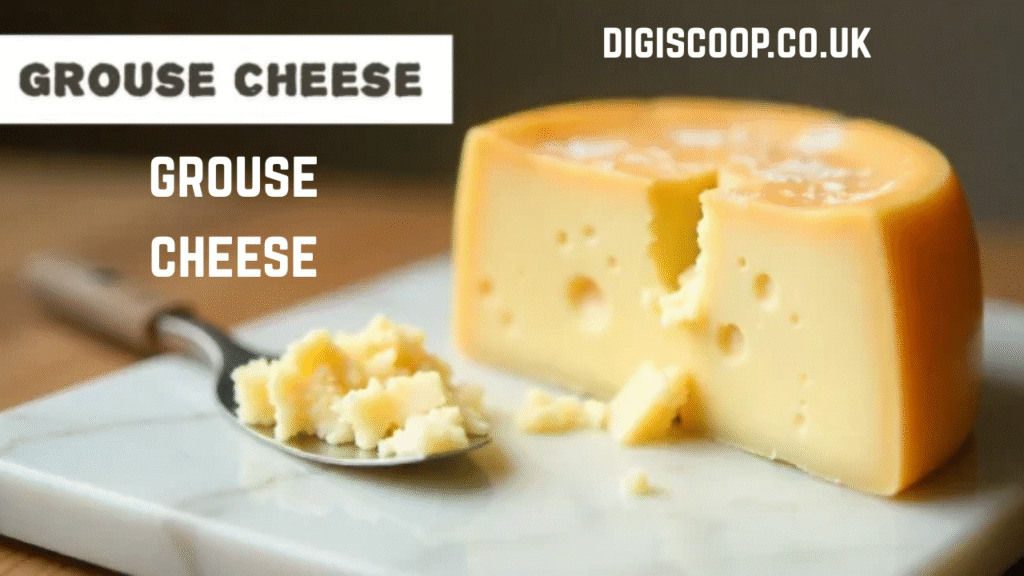
Creating grouse cheese is both a science and an art, demanding precision, patience, and respect for natural ingredients. The process begins with high-quality milk, often collected from grass-fed animals grazing in wild, herb-rich fields. The milk is warmed slowly, mixed with natural rennet, and then allowed to curdle in its own time. The resulting curds are gently cut and stirred to release whey before being pressed into molds that define the cheese’s texture and shape. Once formed, the cheese is left to age in cool, dark cellars, where it develops its distinct aroma and taste. During this stage, careful monitoring of humidity and temperature ensures the proper ripening that gives grouse cheese its signature character — a deep, earthy richness balanced with subtle sweetness. This meticulous process has been refined through centuries, with each generation of cheesemakers adding their own nuance to the flavor and texture. The result is a cheese that tells a story of patience, expertise, and devotion to quality.
The Unique Taste and Texture of Grouse Cheese
The flavor of grouse cheese is a revelation to the senses, offering a depth that reflects its natural origins and artisanal process. When sliced, it reveals a semi-hard texture that melts slowly on the tongue, releasing layers of nutty, buttery, and slightly tangy notes. The first impression is often mild, but as it lingers, it unveils more complex undertones — earthy, floral, and sometimes even smoky, depending on the conditions in which it was aged. The milk used in making grouse cheese, enriched by the wild plants and flowers grazed by the animals, adds a distinct regional signature to every batch. The texture is smooth yet resilient, allowing it to be enjoyed both as a table cheese and as part of sophisticated culinary creations. When paired with rustic bread, ripe fruits, or robust wines, grouse cheese transforms a simple meal into a rich sensory experience. It’s the kind of cheese that rewards slow appreciation, a product meant not for hurried consumption but for mindful tasting.
Nutritional Value and Health Benefits of Grouse Cheese
Beyond its exquisite flavor, grouse cheese offers significant nutritional value, making it both a pleasure and a healthy addition to the diet when consumed in moderation. It is a natural source of high-quality protein, calcium, and essential vitamins like A, D, and B12, all of which are vital for bone strength, metabolism, and overall vitality. The use of unprocessed, grass-fed milk in its creation enhances its nutritional profile by providing beneficial fatty acids and antioxidants. Moreover, the fermentation process involved in aging grouse cheese helps develop probiotics that can aid in digestive health. While it remains a rich and indulgent food, its natural composition makes it far superior to processed cheese varieties filled with additives. In traditional communities, grouse cheese was often valued as an energy-dense food capable of sustaining people through long winters and physically demanding labor. Today, it continues to be appreciated not only for its taste but also for its wholesome, nourishing properties.
Cultural Importance and Legacy of Grouse Cheese
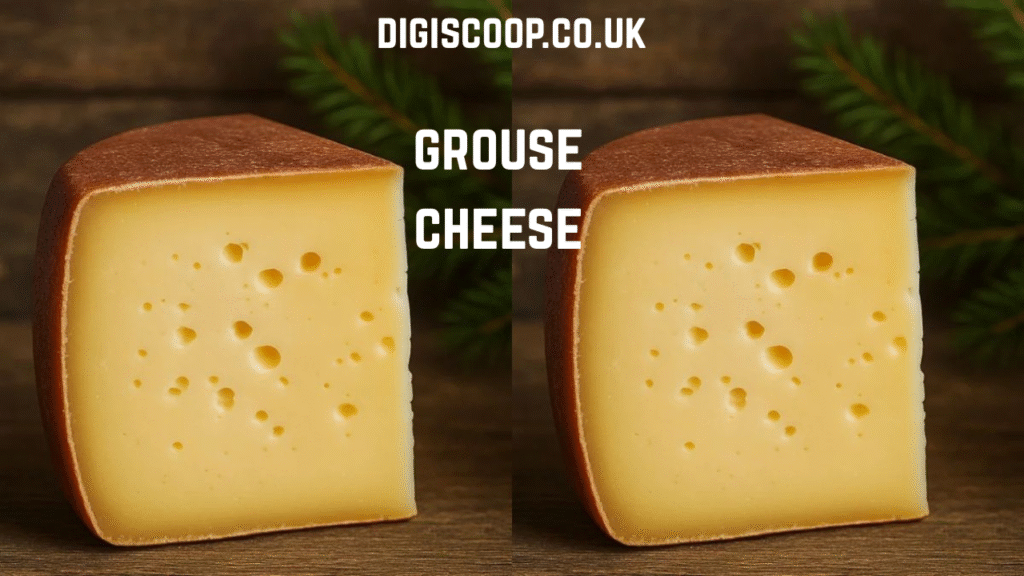
Grouse cheese holds a special place in cultural history, representing more than just a culinary product. It stands as a symbol of heritage, craftsmanship, and the intimate relationship between humans and their environment. In many regions where it originated, making grouse cheese was a seasonal ritual, marking the passage of time and the connection to land and livestock. Families often gathered during specific times of the year to produce and share this cheese, turning it into a community tradition that strengthened social bonds. Even today, the making and sharing of grouse cheese remain acts of pride and cultural preservation. It’s often featured at local festivals, fairs, and markets, where it’s celebrated not just for its taste but for the story it carries. Each wheel of grouse cheese embodies a history of labor, love, and respect for nature, making it a living link between past and present, between the old ways of sustenance and modern culinary appreciation.
Pairing Grouse Cheese with Foods and Drinks
Pairing grouse cheese with complementary foods and beverages enhances its natural complexity and allows its rich flavors to shine. Its earthy, nutty character pairs beautifully with rustic breads, honey, and a variety of fruits such as figs, pears, and apples. For a more sophisticated experience, it can be served with smoked meats, olives, and roasted nuts, creating a balance between salty, sweet, and savory elements. Wine enthusiasts often favor medium-bodied red wines or crisp white varieties when enjoying grouse cheese, as these beverages elevate its subtle flavors without overpowering them. For a non-alcoholic pairing, herbal teas and fruit infusions work remarkably well, accentuating the cheese’s natural sweetness. In cooking, grouse cheese can enrich soups, gratins, or pasta dishes, adding depth and creaminess without losing its distinctive taste. Whether enjoyed in a simple meal or as part of a fine dining spread, grouse cheese adapts gracefully to a range of culinary experiences.
Preservation and Storage of Grouse Cheese
To maintain the quality of grouse cheese, proper storage and care are essential, as this cheese continues to evolve even after it leaves the aging cellar. Ideally, it should be kept in a cool, slightly humid environment, such as a dedicated cheese drawer or cellar, wrapped in breathable paper that allows it to retain moisture while preventing mold. Storing it in airtight containers can cause spoilage, while refrigeration that is too cold can dull its delicate flavor profile. When preparing to serve, it’s best to let the cheese rest at room temperature for a short time to fully release its aroma and texture. Traditional methods of storage, such as wrapping it in cloth soaked in brine or olive oil, are still used by artisanal producers to preserve its authenticity. Each of these practices honors the age-old methods that keep grouse cheese alive as a symbol of sustainable food culture rooted in respect for craftsmanship and natural rhythm.
Modern Popularity and Revival of Grouse Cheese

In recent years, grouse cheese has experienced a revival among food enthusiasts, chefs, and artisanal markets that value authenticity and natural production. This resurgence is driven by growing consumer interest in traditional, small-batch products that reflect regional identity and sustainable practices. As industrial dairy products dominate global markets, gourmets and ethical consumers have turned to options like grouse cheese that tell a story and maintain integrity. Artisan producers, inspired by heritage recipes, are reintroducing grouse cheese with modern refinements while preserving its original character. Culinary schools, food festivals, and fine restaurants have embraced it as a way to reconnect diners with the roots of true cheese making. This renewed attention not only brings recognition to local cheesemakers but also ensures that ancient skills continue to thrive. Grouse cheese thus becomes a bridge between eras, combining the wisdom of tradition with the curiosity of modern gastronomy.
The Environmental Significance of Grouse Cheese
The production of grouse cheese also carries environmental importance, as it supports ecological balance through sustainable dairy practices. Farmers who produce milk for this cheese often rely on rotational grazing, natural pastures, and limited mechanization, ensuring minimal harm to soil and biodiversity. The wild landscapes associated with grouse cheese production — open moors, meadows, and hillsides — serve as vital habitats for birds, insects, and native plants. By maintaining these environments, producers contribute to conservation efforts and promote a more harmonious relationship between agriculture and nature. Furthermore, small-scale cheesemaking generates less waste and uses less energy compared to industrial production. The slow, careful process of crafting grouse cheese embodies an ethos of sustainability that values quality over quantity. In this way, grouse cheese is not just a food product but a statement about how human creativity can coexist respectfully with the natural world, offering a model for responsible production in a rapidly changing climate.
Conclusion
Grouse cheese stands as a timeless representation of tradition, craftsmanship, and connection to nature. It combines the wisdom of the past with the artistry of human hands to create something deeply flavorful, nourishing, and meaningful. Every bite tells a story of landscape, labor, and love for authenticity. Whether enjoyed at home, shared among friends, or showcased at a fine table, grouse cheese captures the spirit of simplicity and excellence. It is more than a food — it is heritage preserved in taste, texture, and aroma.
FAQs
Q1: What makes grouse cheese unique?
A: Its distinct flavor and texture come from grass-fed milk, artisanal methods, and natural aging.
Q2: How should grouse cheese be stored?
A: Keep it cool, wrapped in breathable paper, and let it rest at room temperature before serving.
Q3: Is grouse cheese healthy?
A: Yes, it’s rich in protein, calcium, and probiotics, making it both flavorful and nutritious.
Q4: Can grouse cheese be used in cooking?
A: Absolutely, it enhances soups, pasta, and baked dishes while retaining its unique depth.
Q5: Why is grouse cheese linked with tradition?
A: It represents a centuries-old craft rooted in sustainable practices and cultural heritage.
Read More: Cartetach The Future of Intelligent Automation and Digital Transformation