Understanding DDR6 The Next Evolution in High-Speed Memory Technology
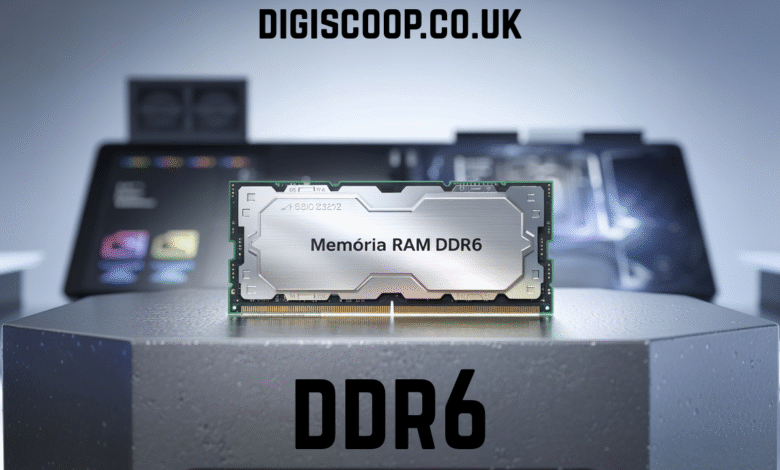
DDR6, short for Double Data Rate 6, represents the latest breakthrough in memory technology designed to redefine performance benchmarks for computers, gaming consoles, and data centers. As technology rapidly evolves, the need for faster data transfer rates and efficient energy consumption has become critical. DDR6 aims to address these growing demands by providing exceptional speed, bandwidth, and reliability that surpass all previous DDR generations. Where DDR4 and DDR5 established the foundation for modern computing, DDR6 takes it several steps further, ensuring seamless multitasking, reduced latency, and enhanced computational capabilities for high-performance computing. This memory generation is engineered to meet the ever-increasing data requirements of artificial intelligence systems, 8K gaming, and high-frequency trading platforms, all of which depend on ultra-fast data processing and real-time responsiveness.
DDR6’s design is not just about speed; it also brings innovative structural changes that make it more efficient and future-ready. With enhanced data channels, reduced voltage, and improved architecture, DDR6 will soon become the cornerstone for next-generation computing systems. Developers, gamers, and hardware enthusiasts eagerly anticipate its launch, as DDR6 is expected to deliver a revolutionary shift in how memory interacts with processors and GPUs.
The Evolution from DDR4 and DDR5 to DDR6
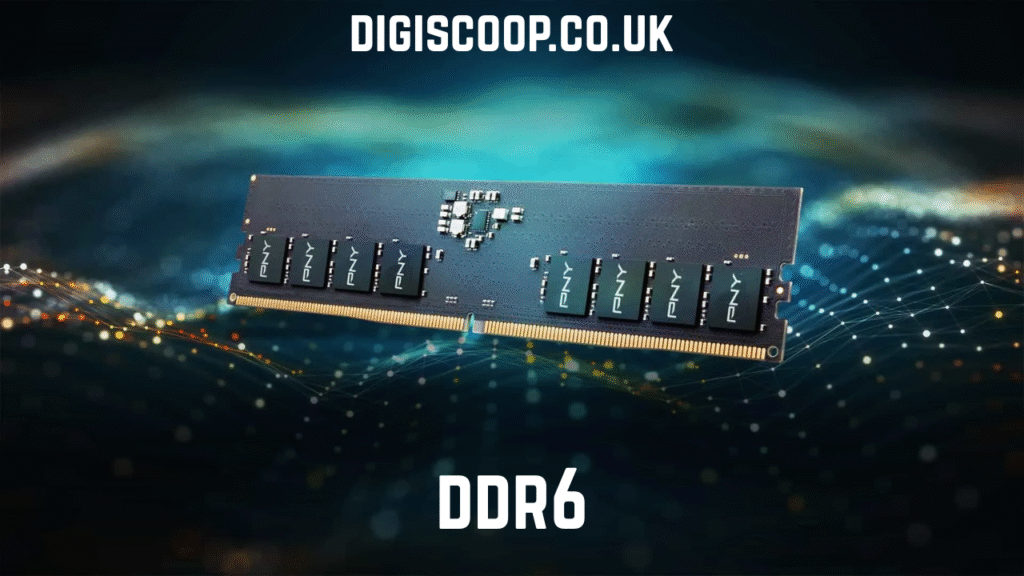
To appreciate the advancements of DDR6, it is essential to understand its predecessors. DDR4 revolutionized computing by offering transfer rates between 1600 to 3200 MT/s, while DDR5 doubled those speeds, reaching up to 8400 MT/s in specialized configurations. However, the technology landscape does not stand still. With data-heavy workloads like machine learning, high-definition content rendering, and real-time analytics, DDR5’s limits became evident. DDR6 steps in to bridge that gap with a target data rate surpassing 12,800 MT/s, possibly reaching up to 17,000 MT/s in its full-fledged form. This increase translates to higher frame rates for gaming, faster rendering for content creators, and more stable multitasking environments for professionals.
DDR6 is also expected to introduce improvements in power efficiency and channel management. Where DDR5 used two 32-bit channels per module, DDR6 refines this system for better synchronization and reduced latency between operations. This evolution ensures that every data transaction occurs at lightning-fast speeds with minimal energy waste. As industries move toward cloud computing and AI-driven applications, the need for memory that can handle immense volumes of simultaneous data operations has never been greater. DDR6 fulfills that promise with both power and precision.
Technical Specifications and Performance Capabilities of DDR6
The technical prowess of DDR6 lies in its remarkable improvements in data rate, bandwidth, and voltage optimization. Expected to deliver speeds between 12,800 and 17,000 MT/s, DDR6 will double the data transfer capabilities of DDR5 while maintaining lower power consumption through refined circuit design. The memory module is likely to feature a lower operating voltage around 1.0V or less, which means it will consume less energy without compromising performance. This efficiency is particularly beneficial for laptops, servers, and edge devices that require high performance with minimal heat output.
Furthermore, DDR6’s internal architecture is designed to support multiple data lanes for parallel processing. This allows more data to flow simultaneously through the system, dramatically reducing latency and improving responsiveness. Whether it’s for gaming, 3D modeling, or artificial intelligence computations, DDR6 offers consistent and reliable performance under heavy workloads. Its error correction and data integrity mechanisms are also expected to be more advanced, ensuring that critical computations remain stable even during intense performance spikes.
DDR6 and Its Impact on Gaming Performance
For gamers, DDR6 promises an unprecedented leap in speed and visual quality. The high data transfer rates and low latency enable gaming systems to load massive textures, environments, and in-game assets almost instantaneously. With modern gaming pushing the limits of 8K resolutions, real-time ray tracing, and immersive virtual reality, memory performance becomes a defining factor in gameplay smoothness. DDR6 ensures that games run without stutter or frame drops, even under the most graphically demanding settings.
Moreover, DDR6’s architecture optimizes memory access patterns, reducing the time it takes for the CPU and GPU to communicate. This tight coordination results in more fluid motion, faster rendering times, and enhanced multiplayer synchronization. As next-generation consoles and gaming PCs adopt DDR6, players can expect shorter load times, higher frame rates, and an overall more responsive experience.
DDR6 in Artificial Intelligence and Machine Learning Applications
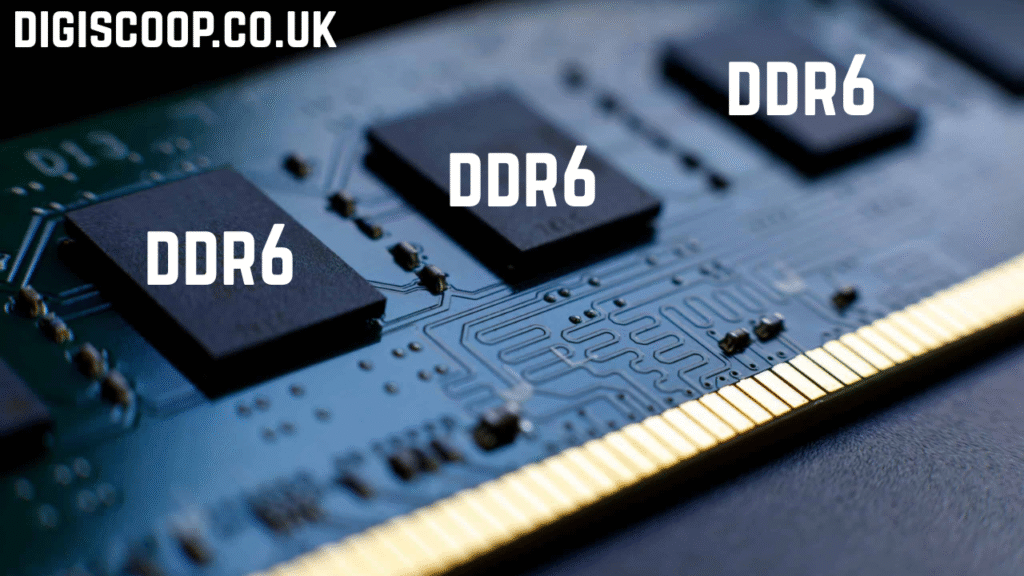
Artificial intelligence and machine learning depend on massive datasets and complex algorithms that require instantaneous data retrieval. DDR6, with its superior bandwidth, can handle these intensive operations with ease. High-speed data access enables AI systems to process inputs and produce results much faster, significantly reducing training time for deep learning models. The efficiency of DDR6 allows for seamless execution of parallel computing operations, which are the backbone of AI workloads.
In data centers and research environments, DDR6’s low power consumption and high throughput can dramatically reduce operational costs while boosting productivity. Tasks like pattern recognition, predictive analytics, and natural language processing all benefit from DDR6’s ability to sustain high data rates without overheating or throttling performance. This makes DDR6 an essential upgrade for industries relying on AI innovation, from healthcare to finance and autonomous technology.
Energy Efficiency and Thermal Management in DDR6
One of the standout features of DDR6 is its commitment to energy efficiency. With reduced voltage requirements and smarter power management systems, DDR6 minimizes energy consumption while maximizing performance output. This is especially important for portable devices like laptops and mobile workstations, where battery life is crucial. The efficient design ensures that systems remain cool even under heavy loads, reducing the need for excessive cooling solutions.
Thermal management in DDR6 modules is supported by advanced materials and improved signal routing that prevents overheating. As memory speeds increase, managing heat becomes a primary challenge. DDR6 addresses this with refined chip design and better energy distribution, ensuring long-term stability. These improvements not only extend the life of the hardware but also reduce environmental impact by conserving energy across all device categories.
DDR6 in Data Centers and Cloud Computing
Data centers form the backbone of modern digital infrastructure, hosting everything from websites to AI models and global communication systems. DDR6 brings immense benefits to these environments by increasing throughput, reducing access delays, and enhancing memory density per module. With DDR6, data centers can process more requests per second, optimize resource allocation, and reduce power usage across massive arrays of servers.
In cloud computing, where workloads are distributed across virtualized systems, DDR6 ensures that performance remains consistent even when multiple users access the same resources simultaneously. This stability and scalability make DDR6 ideal for the next generation of enterprise solutions, including virtual reality streaming, 3D modeling on demand, and remote AI computation services.
Future Prospects and Development of DDR6
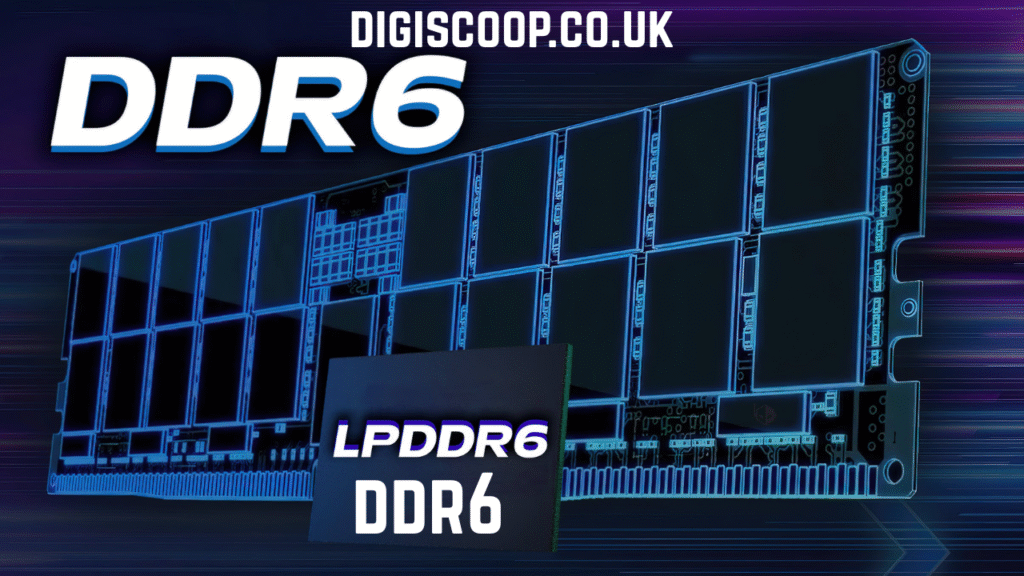
Although DDR6 is still in the developmental and early testing stages, its potential is already reshaping the future of computing. Hardware manufacturers and semiconductor companies are aligning their architectures to accommodate DDR6 memory modules. The industry anticipates its official release to coincide with new-generation CPUs and GPUs that can fully exploit its speed and bandwidth. As the technology matures, we can expect DDR6 to become standard across both consumer and enterprise-grade hardware.
DDR6 will not only revolutionize desktop and server environments but will also influence advancements in mobile computing, automotive systems, and Internet of Things (IoT) devices. With its balance of speed, efficiency, and scalability, DDR6 is poised to serve as the foundation for the next decade of technological progress.
Challenges and Compatibility Considerations for DDR6
Despite its promise, DDR6’s integration will not be without challenges. One of the major hurdles is compatibility, as existing motherboards and processors will require redesigns to support the new architecture. Additionally, the manufacturing complexity of DDR6 chips may initially drive up costs, making it less accessible during its early adoption phase. However, as production scales and technology stabilizes, prices are expected to become more consumer-friendly.
Another challenge involves optimizing system software to take full advantage of DDR6’s capabilities. Developers will need to adapt firmware, BIOS configurations, and operating systems to handle the increased data speeds and ensure efficient memory management. These transitional challenges are natural in any major technological upgrade and will eventually give way to a smoother ecosystem.
Conclusion
In conclusion, DDR6 stands as a monumental leap forward in memory technology, offering unprecedented data transfer rates, energy efficiency, and versatility. From gaming to AI-driven industries and massive data centers, DDR6 is set to redefine how performance is measured and achieved. Its arrival marks the beginning of a new era in computing where speed and intelligence go hand in hand, pushing the boundaries of what’s possible in digital innovation.
FAQs
1. What is DDR6?
DDR6 is the sixth generation of Double Data Rate memory designed to deliver extremely high data transfer speeds and power efficiency.
2. How fast will DDR6 be compared to DDR5?
DDR6 is expected to double or even triple DDR5’s speed, reaching up to 17,000 MT/s in high-performance models.
3. When will DDR6 be released?
DDR6 is currently in development and is anticipated to enter the market within the next few years as compatible hardware becomes available.
4. Who will benefit most from DDR6?
Gamers, data scientists, AI developers, and enterprise users will benefit from DDR6’s enhanced speed and reliability.
5. Will DDR6 be backward compatible?
No, DDR6 will require new motherboards and CPUs specifically designed to support its architecture and data channels.
Read More: How Old Is Jay Cinco The Complete Story of His Life Career and Rise to Fame