Delta Flight Amsterdam MSP Divert Causes Impacts and Passenger Experiences
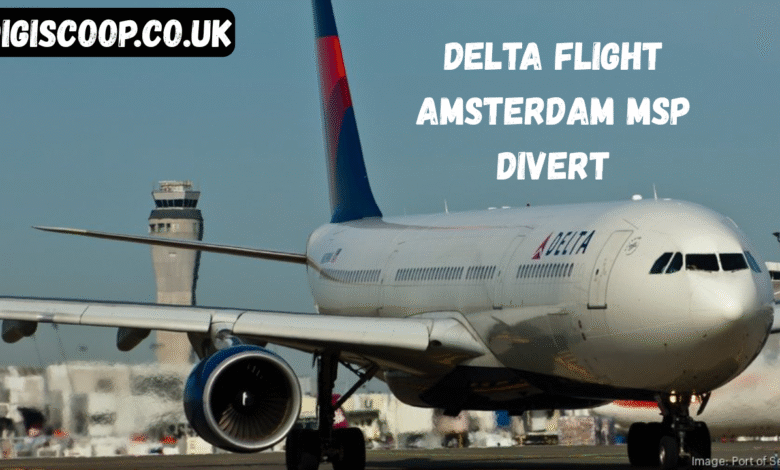
A delta flight amsterdam msp divert occurs when a flight operated by Delta Air Lines between Amsterdam and Minneapolis–Saint Paul International Airport cannot reach its scheduled destination and is forced to land at an alternate airport. Diversions are different from cancellations because the flight departs as planned but must alter its course due to unforeseen circumstances. These circumstances can include technical malfunctions, medical emergencies, adverse weather conditions, or airspace restrictions. The primary goal of any diversion is passenger safety, and airlines like Delta follow strict protocols to ensure the aircraft can land safely at the most suitable airport, whether that is back at MSP, an alternate in the U.S., or somewhere else on the route.
Common Causes of Delta Flight Amsterdam MSP Divert
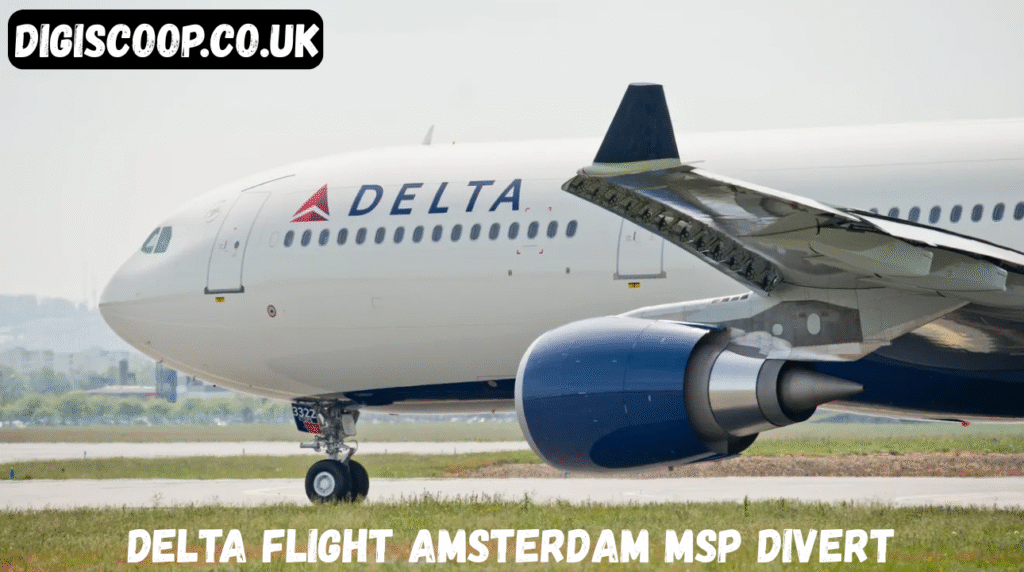
One of the main reasons a delta flight amsterdam msp divert happens is mechanical or technical issues with the aircraft. Modern aircraft are highly complex machines, and even small malfunctions in engines, hydraulics, or flight control systems can pose safety risks if left unchecked. Another frequent cause is severe weather, including thunderstorms, turbulence, or snowstorms, which may make it unsafe for the flight to reach its intended destination. Medical emergencies onboard are also significant triggers, as the crew may need to divert to provide rapid access to medical facilities for affected passengers. Additionally, rare cases like airspace restrictions, security threats, or unexpected airport closures can force pilots to make real-time diversion decisions.
How Airlines Manage Diversions
When a delta flight amsterdam msp divert occurs, the airline has specific procedures to manage the situation. Pilots communicate with air traffic control to identify the closest suitable airport for landing, considering fuel, runway length, and available services. Once the decision is made, the airline informs passengers and coordinates ground services to handle their arrival. Delta typically arranges alternate flights or accommodations for passengers whose journeys are disrupted. Crew members follow safety protocols to ensure all passengers are accounted for, especially if the diversion involves unexpected landing at a smaller or unfamiliar airport. Handling a diversion efficiently requires coordination between pilots, airline operations, and airport authorities.
Notable Incidents of Delta Flight Amsterdam MSP Divert
Several documented cases illustrate the realities of delta flight amsterdam msp divert. In one instance, a transatlantic flight from MSP to Amsterdam experienced a flap malfunction shortly after takeoff. The pilots made the decision to burn off fuel and return safely to MSP rather than risk continuing across the Atlantic with a compromised system. In another case, a flight en route to Amsterdam encountered severe turbulence, causing multiple injuries onboard. The aircraft diverted to MSP to ensure passengers and crew could receive medical attention and the flight could continue safely later. These cases highlight that diversions, while inconvenient, are often a proactive measure to prioritize safety over schedule adherence.
Passenger Experience During a Diversion
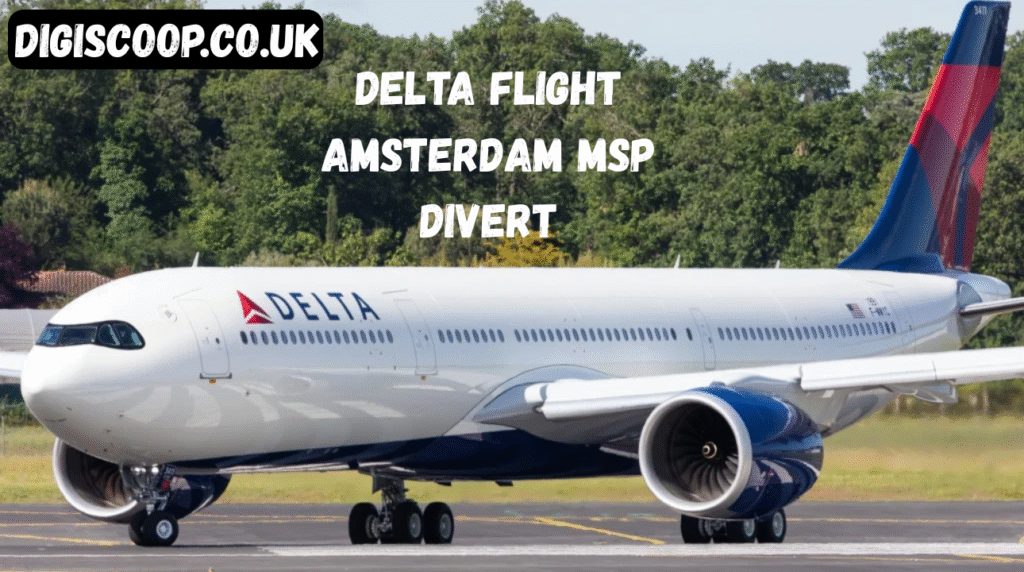
Passengers on a delta flight amsterdam msp divert often face stress and uncertainty. Diversions can significantly extend travel time, create missed connections, and require last-minute logistical changes. However, airlines strive to minimize inconvenience by providing timely updates, meals, accommodation, and rebooking options. Some passengers report anxiety during the diversion, particularly if the reason involves turbulence or technical issues. Others appreciate the professionalism and calm communication from the crew, which reinforces the importance of safety over adherence to schedule. Overall, while a diversion disrupts travel plans, proper handling can maintain passenger trust and confidence.
Impact on Airline Operations
A delta flight amsterdam msp divert affects not only passengers but also airline operations. Diversions disrupt flight schedules, requiring adjustments to crew rotations, aircraft availability, and subsequent flight departures. Airports receiving unexpected arrivals must mobilize emergency and ground support services. Airline logistics teams work rapidly to manage resources, including reassigning aircraft or crews for affected routes. Financially, diversions can lead to additional costs due to fuel, landing fees, passenger accommodations, and rescheduled flights. Despite the operational impact, airlines consider diversions necessary investments to ensure passenger safety and prevent potential catastrophic outcomes.
Safety Protocols and Regulations
A delta flight amsterdam msp divert is governed by stringent safety protocols established by aviation authorities. Pilots follow detailed checklists and communicate constantly with air traffic control to make informed decisions. Regulatory agencies mandate that airlines plan for contingencies, including alternate airports, emergency equipment, and trained personnel. Crew members receive training to manage medical emergencies, turbulence, and technical malfunctions. Airlines conduct post-flight reviews of each diversion to identify lessons learned and improve procedures. These regulations ensure that even unexpected diversions are handled systematically and minimize risk to passengers and crew.
Communication and Coordination During Diversions
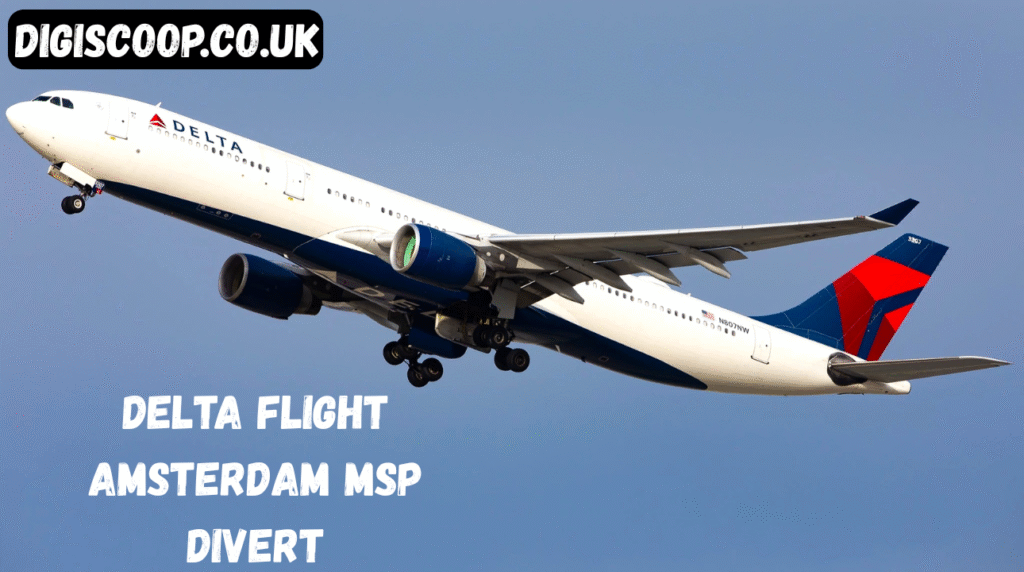
Effective communication is critical during a delta flight amsterdam msp divert. Pilots communicate the situation to the airline operations center, which then informs airport authorities, ground staff, and customer service teams. Passengers receive regular updates through in-flight announcements, emails, or text notifications, helping reduce confusion and anxiety. Airlines coordinate with hotels, transportation services, and connecting flights to manage the passenger experience efficiently. Successful diversions rely on clear communication across multiple teams and systems, emphasizing the importance of operational preparedness in aviation safety.
Preparing Passengers for Possible Diversions
While delta flight amsterdam msp divert situations are unpredictable, passengers can take steps to prepare. Travelers should carry essential items in carry-on luggage, including medications, travel documents, and personal necessities. Familiarity with airline policies on diversions and refunds can reduce stress if plans are interrupted. Passengers are encouraged to follow crew instructions closely and remain calm during unexpected changes. Understanding that diversions are primarily safety measures can help travelers view the situation with perspective, recognizing that the airline prioritizes passenger well-being above schedule adherence.
Conclusion
In conclusion, a delta flight amsterdam msp divert is a critical safety measure that, while often inconvenient for passengers, ensures that flights facing technical issues, severe weather, medical emergencies, or other unforeseen circumstances can land safely at the most suitable airport. These diversions highlight the complexity of airline operations, the professionalism of flight crews, and the importance of strict safety protocols in modern aviation. While passengers may experience delays, missed connections, or temporary disruptions, the airline’s priority remains the well-being of everyone onboard. Understanding the reasons, processes, and impacts of such diversions can help travelers remain calm and prepared, knowing that safety always takes precedence over schedules.
FAQs
Q: What does “delta flight amsterdam msp divert” mean?
A: It means a Delta flight between Amsterdam and Minneapolis–Saint Paul had to land at an alternate airport instead of the planned destination.
Q: Why do flights divert to MSP?
A: MSP may be the origin, a nearby hub, or the safest airport for landing due to mechanical issues, weather, or emergencies.
Q: Will passengers be compensated?
A: Airlines generally provide rebooking, accommodations, and meals, though compensation policies vary by airline and situation.
Q: Are diversions dangerous?
A: Diversions are safety precautions. While they can be stressful, they reduce risk rather than increase it.
Q: How can I prepare for a possible diversion?
A: Keep essentials in your carry-on, know your airline’s diversion policies, and follow crew instructions carefully.
Read More: Escapamento RD The Complete Guide to Escapamento RD