Afruimwagens Meaning, Use, and Industry Role
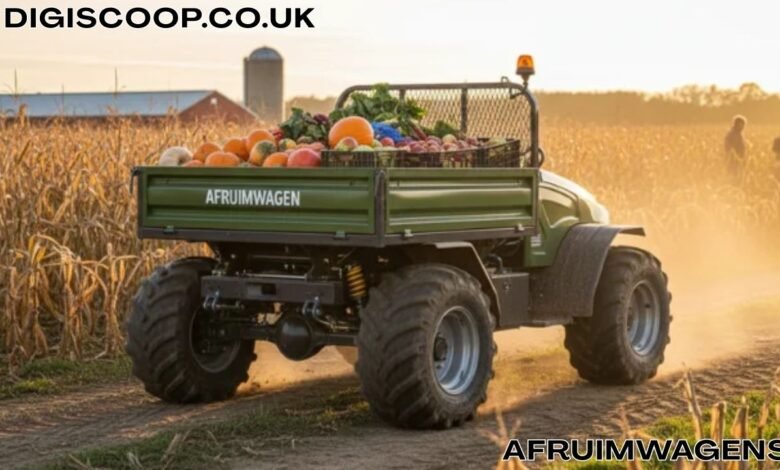
In urban services, construction logistics, and municipal operations, specialized vehicles play a vital role in keeping environments clean, safe, and functional. One such term that appears in professional and regional contexts is afruimwagens. While it may not be familiar to everyone, it represents an important category of service vehicles used for cleanup, removal, and operational efficiency.
Understanding afruimwagens requires looking at language, function, and real-world application. The term is most commonly associated with cleanup and clearing operations, especially in environments where waste, debris, or materials must be removed efficiently. This article provides a detailed, human-readable explanation of afruimwagens, covering its meaning, practical use, industry relevance, and why it remains important in modern operations.
What Does Afruimwagens Mean
The word afruimwagens originates from a linguistic background where it refers to vehicles designed for clearing or removing materials. In practical terms, afruimwagens are cleanup or clearing trucks used to collect, transport, and remove waste, debris, or surplus materials from a site.
Rather than describing a single standardized vehicle model, afruimwagens represents a category of vehicles adapted for cleanup tasks. These vehicles are often customized based on the type of material being handled and the environment in which they operate.
The meaning of afruimwagens is closely tied to function rather than branding, making it a practical term used in operational contexts.
The Purpose of Afruimwagens in Daily Operations
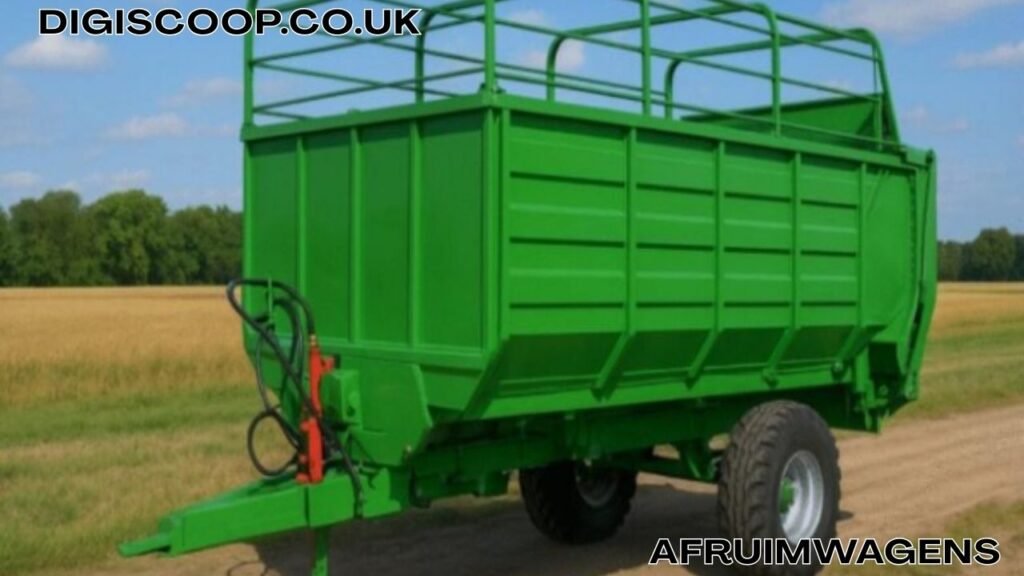
The primary purpose of afruimwagens is efficiency. Cleanup operations, whether in cities, industrial zones, or construction sites, require reliable vehicles that can handle heavy loads and frequent use.
Afruimwagens are designed to minimize manual labor by mechanizing the collection and transportation process. This reduces time, improves safety, and increases productivity.
Their role is especially important in environments where cleanliness and organization directly affect safety and workflow.
Common Environments Where Afruimwagens Are Used
Afruimwagens are commonly found in several key environments. Municipal services use them for street cleaning, waste collection, and post-event cleanup. Construction sites rely on them to remove debris and leftover materials efficiently.
Industrial facilities may use afruimwagens to clear scrap, packaging waste, or byproducts from production areas. Event management teams also depend on such vehicles to restore venues quickly after large gatherings.
In all these environments, afruimwagens contribute to order and operational continuity.
Design Characteristics of Afruimwagens
The design of afruimwagens varies depending on their intended use. However, most share common characteristics such as reinforced frames, large storage compartments, and loading mechanisms.
Some afruimwagens feature hydraulic systems that assist with lifting and dumping materials. Others are equipped with compacting mechanisms to maximize load capacity.
Durability is a key design priority. These vehicles are built to withstand frequent operation under demanding conditions.
Afruimwagens and Waste Management Efficiency
Efficiency is a core advantage of afruimwagens. By consolidating cleanup tasks into a single vehicle operation, organizations can reduce downtime and labor costs.
In waste management systems, afruimwagens help maintain schedules and ensure timely removal of materials. This prevents accumulation that could lead to safety hazards or environmental concerns.
Their contribution to efficiency makes afruimwagens an essential component of structured waste management strategies.
The Role of Afruimwagens in Urban Cleanliness
Urban cleanliness relies heavily on coordinated cleanup efforts. Afruimwagens support these efforts by enabling rapid response to waste buildup, road debris, and public space maintenance.
Cities that invest in effective cleanup vehicles often experience improved public satisfaction and reduced long-term maintenance costs. Afruimwagens help ensure that streets, sidewalks, and public areas remain functional and welcoming.
This role highlights their importance beyond basic waste removal.
Safety Considerations When Using Afruimwagens

Safety is a major consideration in the operation of afruimwagens. These vehicles often handle heavy loads and operate in busy environments.
Proper training for operators is essential to prevent accidents. Features such as visibility aids, warning signals, and controlled loading mechanisms enhance safety.
By reducing the need for manual lifting, afruimwagens also lower the risk of worker injuries.
Environmental Impact and Sustainability
Modern afruimwagens are increasingly designed with sustainability in mind. Fuel efficiency, emission reduction, and compatibility with recycling processes are becoming standard considerations.
Some afruimwagens are used specifically for separating recyclable materials during cleanup operations. This supports broader environmental goals and reduces landfill waste.
As sustainability becomes a priority, the design and use of afruimwagens continue to evolve.
Afruimwagens in Construction and Infrastructure Projects
Construction projects generate significant amounts of waste and debris. Afruimwagens play a crucial role in maintaining safe and organized worksites.
By removing excess materials promptly, these vehicles help prevent clutter that could delay progress or cause accidents. Their reliability supports project timelines and compliance with safety regulations.
In large infrastructure projects, afruimwagens are often part of daily operations.
Customization and Specialized Afruimwagens
Not all afruimwagens are the same. Many are customized to meet specific operational needs. Custom features may include specialized containers, reinforced floors, or tailored loading systems.
Specialized afruimwagens may be designed for handling hazardous materials, bulky items, or specific waste types. This adaptability makes the category highly versatile.
Customization ensures that afruimwagens remain effective across diverse industries.
Operational Costs and Long-Term Value
While the initial investment in afruimwagens can be significant, their long-term value often justifies the cost. Efficient cleanup reduces labor expenses and minimizes operational disruptions.
Well-maintained afruimwagens have long service lives, making them cost-effective over time. Their contribution to efficiency and safety further enhances their value.
Organizations often view afruimwagens as essential infrastructure rather than optional equipment.
Maintenance and Reliability
Regular maintenance is critical to the reliability of afruimwagens. These vehicles operate under heavy loads and frequent use, making upkeep essential.
Routine inspections, timely repairs, and proper servicing ensure consistent performance. Reliable afruimwagens reduce downtime and support uninterrupted operations.
Maintenance practices directly influence the effectiveness and lifespan of these vehicles.
Technological Advancements in Afruimwagens
Technology continues to improve the functionality of afruimwagens. Advancements include improved hydraulic systems, enhanced safety features, and more efficient engines.
Some modern afruimwagens incorporate tracking systems that help monitor usage and optimize routes. This data-driven approach improves efficiency and reduces operational costs.
Technology integration ensures that afruimwagens remain relevant in modern logistics environments.
Comparing Afruimwagens to Other Cleanup Vehicles
While there are many types of cleanup vehicles, afruimwagens are distinguished by their versatility. They are designed for general clearing tasks rather than highly specialized functions.
This makes them suitable for a wide range of applications. Compared to single-purpose vehicles, afruimwagens offer broader utility.
This flexibility contributes to their widespread use across industries.
Workforce Impact and Productivity
Afruimwagens significantly impact workforce productivity. By mechanizing cleanup tasks, they allow workers to focus on coordination and oversight rather than manual labor.
This improves morale and reduces physical strain. Efficient equipment supports better working conditions and higher output.
The presence of afruimwagens often leads to smoother and safer operations.
Regulatory and Compliance Considerations
In many regions, cleanup and waste removal are subject to regulations. Afruimwagens help organizations comply with these requirements by enabling proper handling and disposal of materials.
Compliance reduces legal risks and supports responsible operations. Afruimwagens are often adapted to meet specific regulatory standards.
Their role in compliance underscores their operational importance.
The Growing Demand for Afruimwagens
As urbanization and industrial activity increase, demand for efficient cleanup solutions grows. Afruimwagens are well-positioned to meet this demand.
Infrastructure expansion, event management, and environmental initiatives all contribute to increased reliance on such vehicles.
This trend suggests that afruimwagens will remain relevant for years to come.
Why Afruimwagens Matter in Modern Operations
Afruimwagens matter because they support cleanliness, safety, and efficiency. They operate behind the scenes but have a visible impact on daily life.
From clean streets to organized construction sites, their presence contributes to order and functionality.
Understanding their role highlights how essential operational tools shape modern environments.
Conclusion: The Practical Importance of Afruimwagens
In today’s operational landscape, afruimwagens represent efficiency, reliability, and practical problem-solving. They are not just vehicles, but essential tools that support cleanup, safety, and organization across industries.
By understanding what afruimwagens are and how they are used, it becomes clear why they remain a critical component of waste management and infrastructure operations. Their adaptability and long-term value ensure continued relevance in a changing world.