Riding Crop Explained: Riding Crop Meaning, Uses, History, and Complete Guide to Horseback Riding Crop
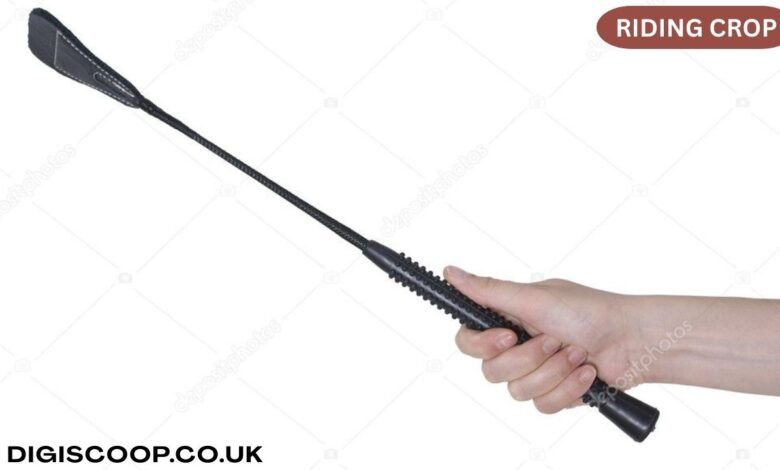
The riding crop is one of the most recognized tools in equestrian sports and horseback riding traditions. For beginners and experienced riders alike, the riding crop often raises questions about its purpose, meaning, and correct use. Many people ask what is a riding crop, why riders use riding crops, and how a riding crop differs from other horse whips. Despite its simple appearance, the riding crop carries a long history and a specific role in horse training, communication, and riding technique.
The term riding crop refers to a short, lightweight whip designed primarily for guidance rather than punishment. In modern horseback riding, the riding crop is used as an extension of the rider’s leg, helping communicate clear signals to the horse. Understanding the riding crop meaning is essential for anyone interested in equestrian activities, as misuse or misunderstanding can lead to confusion about its function.
This detailed article explores the riding crop from every angle, including its history, purpose, types, materials, and ethical use. Whether you are curious about horse riding crop basics or want to understand the difference between riding crops and horse whips, this guide provides a complete explanation.
What Is a Riding Crop and Why It Exists
Many beginners ask, what is a riding crop and why do riders use it at all. A riding crop is a short, flexible stick, usually between 18 and 30 inches long, designed to assist riders in giving precise cues to a horse. Unlike longer horse whips, the riding crop is compact and easy to control, making it ideal for close-contact riding disciplines.
The riding crop exists to enhance communication between horse and rider. Horses respond to subtle physical signals, and sometimes a light tap from a horse riding crop reinforces a command that leg pressure alone cannot convey. This does not mean the riding crop is intended to cause pain. Properly used riding crops serve as a signaling tool, not a tool for force.
When people ask whats a riding crop, the most accurate answer is that it is a communication aid, not a punishment device. Its design supports controlled, gentle use that respects the horse’s sensitivity.
Riding Crop Meaning in Modern Horseback Riding
The riding crop meaning has evolved over time. Historically, riding crops were symbols of authority and horsemanship. Today, the riding crop meaning focuses more on clarity, guidance, and rider balance. Modern equestrian standards emphasize humane and ethical riding practices, where the riding crop supports training rather than dominance.
In professional riding environments, the riding crop meaning is closely tied to discipline and technique. Trainers often teach riders how to use the crop horseback riding style correctly, ensuring the horse understands the cue without stress or fear. A well-timed, light tap communicates urgency or reinforces leg pressure, helping maintain rhythm and responsiveness.
Understanding riding crop meaning also involves recognizing when not to use it. Skilled riders rely primarily on posture, legs, and reins, using the riding crop only when necessary.
History of Riding Crops and Horse Whips
The history of riding crops is deeply connected to the development of horseback riding itself. Early horse whips were longer and more rigid, used primarily for driving animals rather than riding. Over time, as riding techniques improved, the crop horse tool became shorter and more refined.
In European riding traditions, the riding crop became popular in fox hunting, dressage, and show jumping. These disciplines required precise control, and the riding crop offered a lightweight alternative to longer horse whips. Leather riding crop designs became especially common, valued for durability and flexibility.
The evolution from traditional horse whip to modern riding crop reflects a shift toward finesse and communication rather than force.
Riding Crops vs Horse Whips: Understanding the Difference
Many people confuse riding crops with horse whips, but there are important distinctions. Horse whips are generally longer and designed for use at a distance, such as in driving or groundwork training. A riding crop, by contrast, is short and used while mounted.
The riding crop whip combination offers control without excessive reach. While horse whips may exceed four feet in length, a horseback riding crop remains compact, allowing the rider to maintain balance and precision.
Understanding this difference helps clarify why riding crops are favored in riding disciplines, while longer horse whips are reserved for specific training scenarios.
Types of Riding Crops Used in Horseback Riding
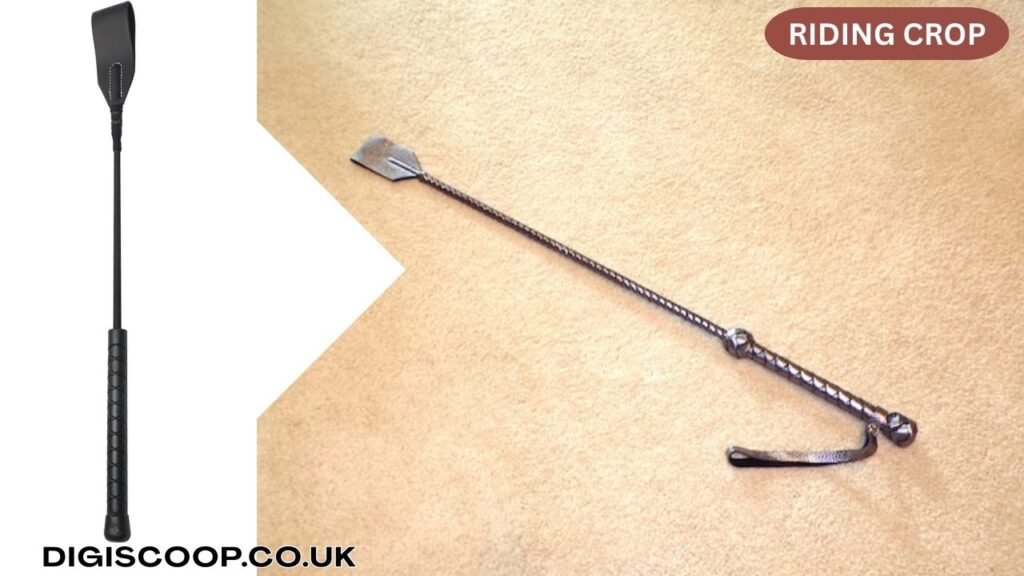
There are several types of riding crops available, each suited to different riding styles. A standard horse riding crop is straight with a small leather flap at the end. This design delivers a clear but gentle cue.
Leather riding crop styles are particularly popular due to their flexibility and classic appearance. Some riding crops include padded handles for comfort, while others feature wrist loops for security.
Specialized riding crops exist for dressage, jumping, and casual riding. Each variation maintains the core function of the riding crop while adapting to specific needs.
Materials Used in Riding Crops
The materials used in riding crops significantly affect performance and comfort. Traditional leather riding crop designs use leather for the tip and handle, combined with a flexible shaft made from fiberglass or synthetic materials.
Modern riding crops may use lightweight carbon fiber or reinforced plastic, offering durability and consistent flexibility. The choice of material influences how the riding crop whip responds when used, ensuring precise communication with the horse.
Regardless of material, the goal remains the same: provide a reliable, humane tool for rider guidance.
How to Use a Riding Crop Correctly
Learning how to use a riding crop correctly is essential for ethical horseback riding. The riding crop should always be used as a secondary aid, supporting leg cues rather than replacing them.
When applied, the riding crop should deliver a light, controlled tap behind the rider’s leg. This reinforces the command without startling the horse. Excessive force or repeated striking is never appropriate and goes against modern riding principles.
Understanding proper technique ensures that the horse riding crop improves communication rather than causing discomfort.
Crop Horse Communication and Training
The concept of crop horse communication centers on clarity. Horses learn through repetition and consistency. When a riding crop is used sparingly and correctly, the horse associates the signal with a specific response.
In training environments, instructors often demonstrate how the crop horseback riding method complements leg and rein aids. Over time, the horse responds more readily, reducing the need for the riding crop altogether.
This gradual reduction highlights the riding crop’s role as a temporary training aid rather than a permanent necessity.
Ethical Considerations and Riding Crop Use
Ethical riding is a central topic in modern equestrian culture. The use of riding crops is governed by rules in competitions and guidelines in training programs. These standards exist to protect horse welfare and ensure responsible use.
Understanding the riding crop meaning includes recognizing its ethical boundaries. A riding crop should never be used in anger or frustration. Instead, it should remain a calm, deliberate communication tool.
Responsible riders prioritize the horse’s physical and emotional well-being at all times.
Riding Crop in Different Riding Disciplines
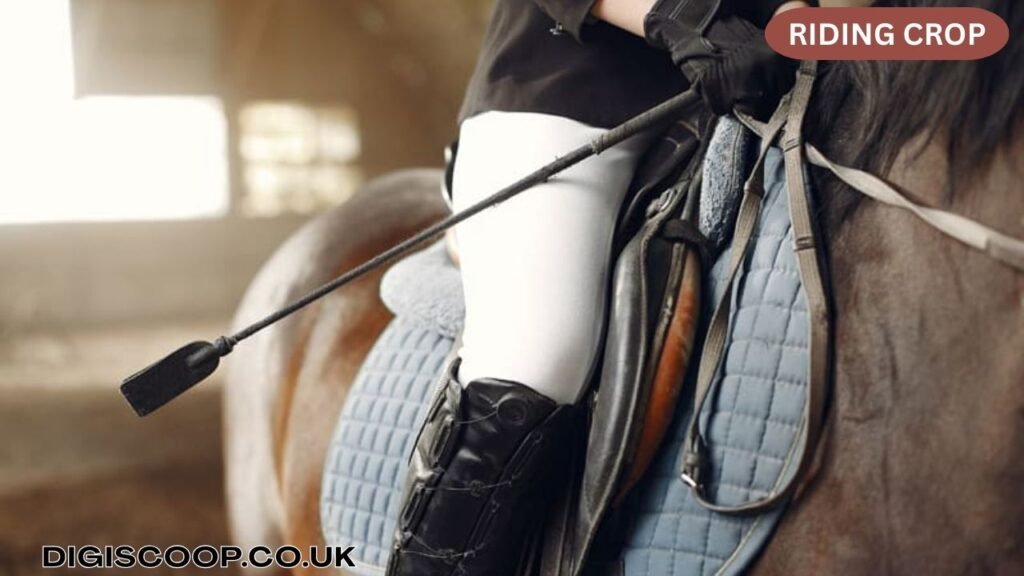
Different riding disciplines use riding crops in slightly different ways. In show jumping, the riding crop helps maintain forward momentum and focus. In dressage, it supports subtle cues and rhythm.
Casual riders may use a horseback riding crop occasionally during trail rides, especially with inexperienced horses. Regardless of discipline, the principles of light, respectful use remain consistent.
This versatility explains why riding crops are common across equestrian activities worldwide.
Choosing the Right Riding Crop
Selecting the right riding crop depends on rider experience, discipline, and personal preference. Beginners often benefit from shorter, lightweight riding crops that are easy to control.
Experienced riders may choose a leather riding crop for its responsiveness and balance. Comfort, grip, and flexibility are key factors when selecting a horse crop.
Choosing the correct riding crop enhances confidence and effectiveness in the saddle.
Common Misunderstandings About Riding Crops
One of the most common misunderstandings is that riding crops are meant to hurt horses. In reality, when used correctly, a riding crop delivers minimal physical impact and serves primarily as a cue.
Another misconception is that skilled riders rely heavily on riding crops. In truth, advanced riders use riding crops less frequently, relying on refined body control instead.
Clearing these misunderstandings helps promote informed, compassionate horsemanship.
Cultural Perception of Horse Crops and Horse Whips
Public perception of horse crops and horse whips is often shaped by media portrayals rather than real equestrian practice. Movies and television sometimes depict exaggerated or improper use, leading to confusion.
In reality, the modern riding crop is a carefully regulated tool designed to support humane riding. Understanding this distinction helps shift cultural perception toward accuracy and respect.
Education plays a crucial role in redefining how riding crops are viewed outside the equestrian community.
Riding Crop Meaning Beyond Equipment
Beyond its physical form, the riding crop meaning represents discipline, responsibility, and partnership between rider and horse. It symbolizes the importance of clear communication and mutual understanding.
A well-used riding crop reflects the rider’s commitment to ethical training and respect for the horse. This deeper meaning elevates the riding crop from a simple tool to a symbol of skilled horsemanship.
Recognizing this broader significance encourages thoughtful and informed use.
Conclusion: The True Purpose of the Riding Crop
The riding crop is an essential yet often misunderstood tool in horseback riding. From its historical origins to its modern applications, the riding crop serves as a communication aid designed to enhance clarity and safety.
Understanding what is a riding crop, how riding crops differ from horse whips, and the true riding crop meaning allows riders to use this tool responsibly and effectively. When applied with knowledge and care, the horse riding crop strengthens the bond between rider and horse rather than harming it.
The riding crop remains a valuable part of equestrian tradition, grounded in respect, discipline, and humane practice.
Also read: Yulanda Wilkins Explained: Background, Personal Context, and Why People Search for Her