Grouse Cheese – Meaning, Origins, Flavor Profile, Culinary Uses, and Why It’s Gaining Attention
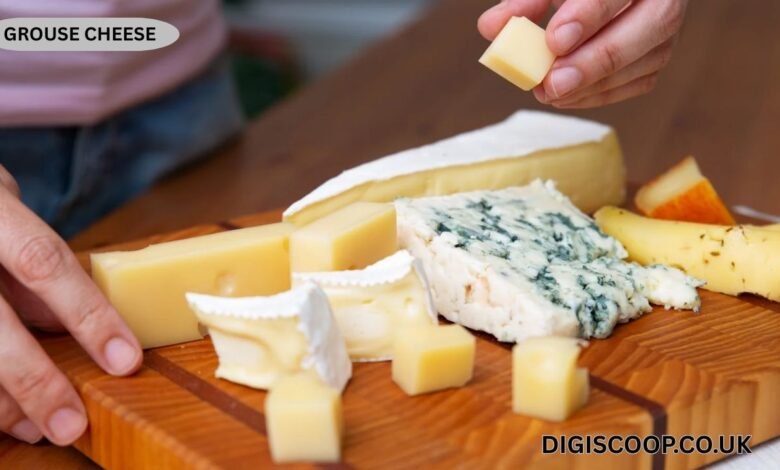
The keyword grouse cheese has been appearing more frequently in online searches, sparking curiosity among food lovers, culinary explorers, and people interested in unique or lesser-known cheese varieties. Unlike mass-produced cheeses that dominate supermarkets, grouse cheese is often associated with specialty food culture, regional traditions, and experimental or artisanal cheese concepts.
This in-depth article explores grouse cheese from every angle. It explains what the term refers to, how it may be interpreted, its culinary associations, flavor expectations, possible origins, and why it has become a topic of growing interest. Rather than assuming a single definition, this article examines grouse cheese as a concept rooted in gastronomy and evolving food trends.
What Is Grouse Cheese?
At its core, grouse cheese is not a widely standardized or industrial cheese variety. Instead, the term is commonly used in one of three ways:
A cheese designed to pair with grouse meat
A cheese produced in regions associated with grouse hunting
A descriptive or branded name used by artisan cheesemakers
Unlike cheddar or mozzarella, grouse cheese does not follow a universal recipe. Its identity depends heavily on regional interpretation, culinary context, and creative naming.
Understanding the Name “Grouse Cheese”
The word “grouse” refers to a type of wild game bird commonly associated with countryside cuisine and seasonal hunting traditions. When paired with cheese, the term grouse cheese often suggests rustic, bold, and earthy flavors designed to complement game-based dishes.
Rather than implying that the cheese is made from grouse, the name usually reflects pairing intent, heritage inspiration, or flavor profile.
Grouse Cheese as a Culinary Pairing Concept

One of the most common interpretations of grouse cheese is as a cheese pairing for grouse meat. Grouse is known for its rich, slightly gamey flavor, which requires carefully chosen accompaniments.
Cheeses associated with grouse dishes are often:
Aged and complex
Earthy or nutty
Firm or semi-hard
Low in overpowering acidity
In this context, grouse cheese refers more to culinary harmony than a specific cheese type.
Flavor Profile Associated With Grouse Cheese
When people search for grouse cheese, they often expect a flavor profile that reflects traditional countryside cooking. While variations exist, common characteristics include:
Deep, savory notes
Mild smokiness or nuttiness
Balanced saltiness
A lingering, mature finish
These qualities allow the cheese to stand up to strong proteins without overwhelming them.
Texture and Aging Characteristics
Grouse cheese, when referenced in artisanal or pairing contexts, is usually aged to develop complexity. Aging contributes to:
Firm or crumbly texture
Concentrated flavor
Natural rind development
Slight crystalline structure in some cases
Texture matters greatly when pairing with roasted or grilled game, as it affects mouthfeel and balance.
Regional and Artisanal Influences
The concept of grouse cheese is often linked to regional food traditions, especially in rural or countryside areas where hunting and seasonal cooking play a role in culinary identity.
Small-batch cheesemakers sometimes create limited-edition cheeses inspired by:
Autumn hunting seasons
Local wildlife traditions
Rustic farmhouse methods
Historical recipes
In these cases, grouse cheese becomes a storytelling element as much as a food item.
Grouse Cheese in Traditional Cuisine
In traditional cuisine, cheese is often used sparingly alongside game. Grouse cheese may appear:
On a cheese board served after a game meal
As a grated or melted component in sauces
Paired with bread, preserves, or nuts
Served separately to cleanse the palate
Rather than dominating the dish, the cheese supports and enhances the overall experience.
Modern Interpretations of Grouse Cheese
Modern chefs and food enthusiasts often reinterpret grouse cheese in creative ways. Contemporary uses may include:
Cheese-infused sauces for game dishes
Cheese and charcuterie pairings
Small plates focused on contrast and balance
Experimental flavor infusions
These modern approaches keep the concept of grouse cheese relevant in evolving food culture.
Why Grouse Cheese Is Gaining Attention
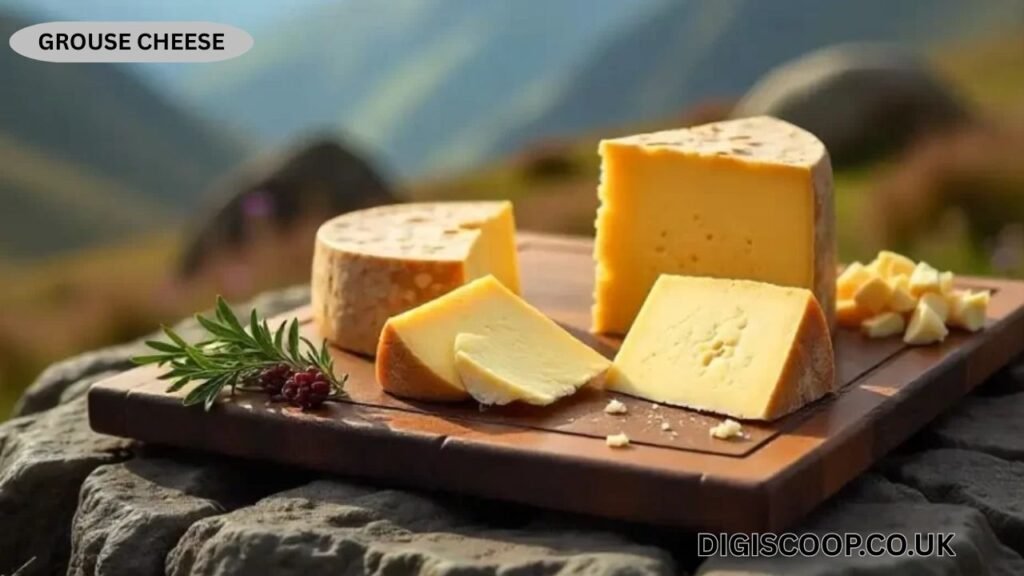
The growing interest in grouse cheese reflects broader food trends:
Rising appreciation for artisanal foods
Interest in seasonal and regional cuisine
Curiosity about heritage flavors
Desire for unique culinary experiences
As people move away from generic food options, niche concepts like grouse cheese attract attention.
Grouse Cheese and Farmhouse Cheese Culture
Farmhouse cheese culture emphasizes tradition, locality, and craftsmanship. Grouse cheese fits naturally into this world, even when used as a descriptive label rather than a fixed product.
Farmhouse cheeses often share qualities associated with grouse cheese:
Bold character
Natural aging processes
Minimal processing
Strong sense of place
This alignment reinforces its appeal among food purists.
Nutritional Perspective on Grouse Cheese
While nutritional values depend on the specific cheese used, grouse cheese in general would share characteristics of aged cheeses:
High protein content
Rich calcium levels
Concentrated fats
Lower lactose due to aging
As with all cheeses, moderation is key, especially given the richness associated with game pairings.
How Grouse Cheese Is Typically Served
Presentation matters when serving grouse cheese. Common serving approaches include:
Room temperature for full flavor
Thin slices or small wedges
Paired with rustic bread
Accompanied by mild preserves
These choices enhance flavor perception and balance.
Grouse Cheese vs Everyday Cheeses
Compared to everyday cheeses, grouse cheese is more about experience than convenience. It is not typically melted on sandwiches or used casually.
Key differences include:
More intense flavor
Smaller serving sizes
Context-specific use
Higher focus on pairing
This distinction explains why grouse cheese is discussed more in culinary circles than mass markets.
Cultural and Seasonal Significance
Grouse cheese often carries seasonal significance, particularly linked to autumn and winter dining. Game seasons influence menus, and cheese pairings follow suit.
This seasonal association adds to its appeal, making grouse cheese feel special rather than routine.
Common Misunderstandings About Grouse Cheese
Some people mistakenly believe grouse cheese is made from grouse meat or flavored directly with it. In reality:
It is almost always dairy-based
The name reflects pairing or inspiration
It is not a standardized product
Understanding this helps set accurate expectations.
Why Grouse Cheese Feels Exclusive
Grouse cheese feels exclusive because it:
Is not mass-produced
Appears in niche culinary contexts
Requires specific pairing knowledge
Is often seasonal or limited
This exclusivity contributes to curiosity and search interest.
Grouse Cheese in Modern Food Conversations
As food culture becomes more story-driven, terms like grouse cheese gain traction. People enjoy learning not just what food tastes like, but why it exists and what it represents.
Grouse cheese fits well into conversations about heritage, craftsmanship, and thoughtful eating.
Key Takeaways About Grouse Cheese
Grouse cheese is best understood as a culinary concept rather than a single product. It represents bold, rustic cheese styles designed to complement game dishes or evoke countryside traditions.
Its appeal lies in flavor depth, pairing potential, and cultural storytelling.
Conclusion on Grouse Cheese
Grouse cheese stands at the intersection of tradition, flavor, and culinary creativity. Whether used as a pairing, a descriptive label, or an artisanal specialty, it reflects a growing desire for meaningful food experiences.
Rather than being defined by strict rules, grouse cheese thrives on interpretation. It invites exploration, encourages thoughtful pairing, and reminds us that food can be both nourishment and narrative.