When Delta Flight DL275 Diverted LAX The Full Story of the Mid Air Decision

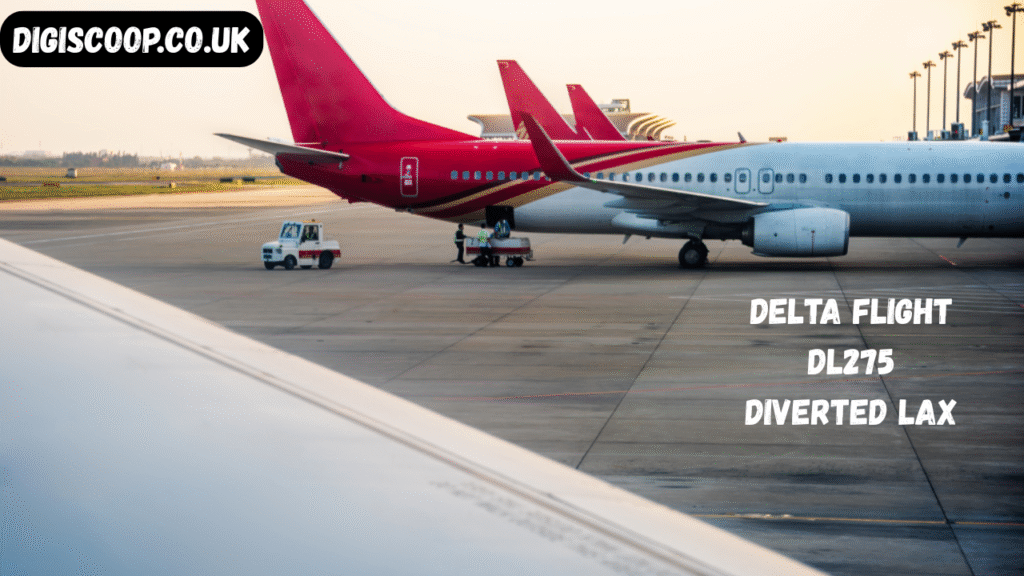
The report that “delta flight dl275 diverted lax” captured attention across aviation-watchers and passengers alike. What was supposed to be a routine long-haul flight suddenly turned into an unscheduled diversion — redirecting from its planned transpacific route to an unexpected landing at Los Angeles International Airport (LAX). In this article, we explore what led to the decision, how the crew responded, what passengers experienced, and what this incident reveals about aviation safety and risk management.
The Flight Plan What DL275 Was Supposed to Do

Delta Air Lines operates many long-haul flights, and on this schedule, flight DL275 was slated to travel from Detroit (DTW) to Tokyo (HND) aboard an Airbus A350-900. The Airbus A350-900 is a wide-body, long-range jet — capable of crossing oceans — and powered by engines from Rolls-Royce (Trent XWB engines). On the evening of departure, DL275 took off as planned, beginning the journey that under normal conditions would span many hours, crossing over cold northern airspaces and ultimately the Pacific Ocean.
What Went Wrong The Trigger for Delta Flight DL275 Diverted LAX
About five hours into the flight — while cruising at high altitude over remote region — the flight crew detected a malfunction: a failure in the engine’s anti-ice system on one of the Trent XWB engines. The anti-ice system is critical for flights traversing cold, moisture-laden air at high altitudes: it prevents ice from forming on engine components, which could otherwise disrupt airflow, degrade engine performance, or even cause engine failure.
When the sensors showed abnormal readings — airflow and temperature deviations, along with other indications of system malfunction — the crew recognized that continuing across the ocean with a compromised anti-ice system would be unsafe. Given the remote nature of the route and lack of suitable diversion airports along the entire Pacific stretch, the flight became a candidate for diversion — a precautionary step to ensure safety rather than risk a dangerous situation far from help.
Thus, “delta flight dl275 diverted lax” was not triggered by weather or passenger issues, but by a serious technical concern — a precautionary response to maintain safety above all.
Why LAX? The Choice of Diversion Airport
Faced with the need to divert, the crew and airline operations had to pick an airport capable of handling a wide-body international aircraft like the A350-900, provide maintenance support, and accommodate potentially hundreds of passengers for rerouting or re-booking.
The choice fell on Los Angeles International Airport (LAX) because:
- LAX is a major hub for the airline, with existing maintenance facilities and trained mechanics familiar with the Airbus A350 and Rolls-Royce Trent XWB engines.
- It has long runways, capable of safely accommodating unscheduled landings of large jets at any hour.
- Ground support, spare parts, and infrastructure for wide-body aircraft make it a reliable diversion point — critical when specialized repairs or inspections are required.
Although there may have been geographically closer airports, they likely lacked the full technical infrastructure to service a complex engine-system fault safely. LAX’s combination of capacity, readiness, and resources made it the logical and safest option for a diversion in this scenario.
The Diversion: Landing at LAX and What Happened on Ground

Once the decision was made, DL275 turned course toward LAX. The A350-900 descended and landed safely on LAX’s runway in the early morning hours. All passengers and crew disembarked without injury or major incident. Safety- and maintenance-teams were ready.
On ground, the aircraft underwent inspection and maintenance. The anti-ice system, which triggered the alert, was carefully checked. Given the complexity of the Trent XWB engines and the potential risk if flight continued without correction, ground crews grounded the plane for detailed diagnosis and necessary repairs before any further flight.
Meanwhile, the airline handled passenger care: rebooking travelers for onward travel (to the original destination or alternate routes), providing accommodations, meals, and support during the unplanned delay. For many passengers, the diversion meant disrupted itineraries, missed connections, and an unexpected layover — but also relief that the decision prioritized safety over schedule.
Impact: Operational Financial and Reputation Costs
Diversions such as “delta flight dl275 diverted lax” carry significant consequences beyond the immediate safety consideration. For the airline, there are operational costs: extra fuel burned due to route deviation, landing fees, extended crew duty time, maintenance and inspections, repositioning aircraft, and rescheduling flights for stranded passengers.
Additionally, the disruption affects the airline’s schedule and reliability metrics, potentially causing ripple effects across other flights. Passengers may experience long delays or cancelations of onward flights, and overall travel plans may be thrown off by hours or more.
From a reputational perspective, while safety-first actions tend to be respected, frequent diversions or technical failures can shake confidence in passengers — especially on long-haul flights. On the flip side, transparent communication and professional handling of the situation can help maintain trust.
In short, the decision to divert — though costly — reflects a trade-off: accept short-term disruption for long-term safety and credibility.
What This Incident Teaches Lessons on Aviation Safety and Risk Management
The “delta flight dl275 diverted lax” case highlights several important aspects of modern aviation safety:
- Safety over schedule: Even with advanced aircraft and long-haul planning, mechanical systems can fail. When they do, choosing to divert rather than push on reflects responsible risk management.
- Critical role of support infrastructure: Wide-body jets on transoceanic routes depend on access to properly equipped diversion airports. Without a well-prepared hub like LAX, a safe diversion might not be possible.
- Importance of maintenance and monitoring systems: Engine anti-ice systems, while often invisible to passengers, are essential in preserving safety over cold, remote airspace. Continuous monitoring and vigilance remain vital.
- Preparedness for disruption: For passengers — especially those with tight connections — diversions underscore the importance of planning buffer time, awareness that unexpected events can occur, and flexibility when flying long-haul international.
Ultimately, the decision to divert DL275 to LAX, while disruptive, can only be judged as the right call — because it safeguarded the lives and safety of everyone on board.
Uncertainties and What We Don Fully Know
Although multiple sources converge on the anti-ice system malfunction as the cause, some ambiguities remain:
- Details about why the anti-ice system failed — whether due to a sensor fault, hardware degradation, or maintenance oversight — have not been publicly confirmed.
- It’s unclear whether this failure was isolated to that one aircraft or indicates a broader issue with similar engines on other A350s.
- Passengers’ exact experiences — how many missed connections, how much delay they faced — vary depending on destination and rebooking.
Because airlines often keep technical investigations confidential, some of the more granular engine-system data may remain undisclosed. Nonetheless, the publicly reported facts provide a credible, consistent picture centered on safety.
What It Means for Travelers Advice & Awareness
For anyone flying long-haul — especially over cold or remote routes — the DL275 diversion offers useful reminders:
- Diversions happen even on premium airlines and modern aircraft. They are part of the safety net, not a sign of failure.
- When booking connecting flights, especially tight ones, allow buffer time: unexpected events can disrupt even well-planned itineraries.
- Trust airline procedures: if the crew chooses to divert, it’s almost always done out of precaution — not panic.
- Stay flexible and prepared: pack essentials in carry-on; in a diversion, you may face unexpected overnight stays or reroutes.
Being mentally prepared for possible delays or changes can help reduce stress and frustration if something goes off-plan.
Conclusion
The story of “delta flight dl275 diverted lax” is a real-life demonstration of aviation’s commitment to safety. What began as a routine flight from Detroit to Tokyo became a precautionary diversion mid-air — prompted by an engine anti-ice system fault. The crew’s decision to land at LAX, while inconvenient for passengers, ensured safety, allowed proper maintenance, and avoided a potentially far more dangerous situation over remote airspace.
While such diversions carry costs — operational, financial, and in customer disruption — they also reflect the responsible judgments airlines and crews must make when faced with uncertainty. For travelers and airlines alike, the DL275 diversion is a case study in how modern aviation balances technology, training, risk, and human lives.
FAQs
Q: What exactly triggered the diversion of DL275 to LAX?
A: The flight’s engine anti-ice system malfunctioned mid-flight. Because this system protects the engine from ice buildup during high-altitude, cold-air cruising, its failure made the continued journey over the ocean unsafe.
Q: Why not land somewhere closer than LAX?
A: Though there might have been geographically nearer airports, they likely lacked the specialized maintenance facilities, spare parts, and technical staff needed to service a wide-body A350-900 with a complicated engine-system issue. LAX, a major hub for the airline, met these requirements.
Q: Were there any injuries or safety incidents when they landed?
A: No. The aircraft landed safely and all passengers and crew disembarked without reported injuries. The landing and ground procedures proceeded normally under maintenance protocols.
Q: Did this diversion cause major delays for passengers?
A: Yes — many passengers experienced disruptions: missed connections, unexpected layovers, and rebooking. While inconvenient, the airline supported them with accommodations, alternate flights, and assistance.
Q: What can travelers learn from this incident?
A: That diversions — even on top airlines — are sometimes necessary. When flying long-haul, it helps to expect the unexpected. Leaving buffer time before connections, packing essentials in carry-on, and being mentally prepared for delays can make such events less stressful.
Read More: Consultant wiufamcta jivbcqu The New Frontier of Transformative Advisory Strategy