Walmart Truck Driver Lawsuit – Everything You Need to Know About the Legal Battles and Industry Impact
Introduction: Understanding the Walmart Truck Driver Lawsuit
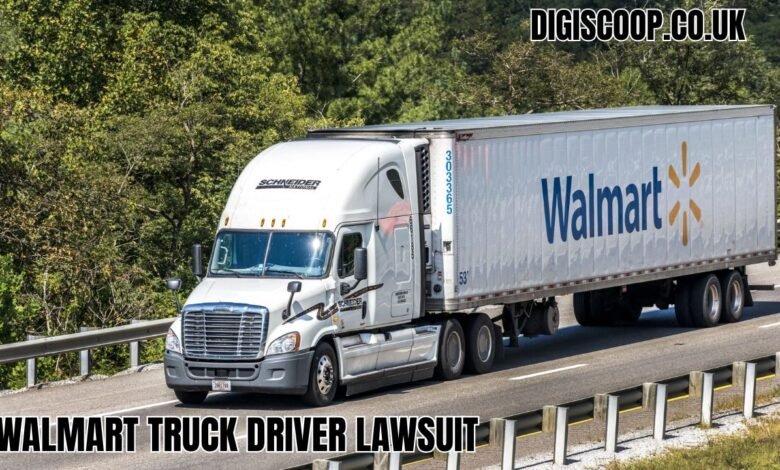
The Walmart truck driver lawsuit has been one of the most talked-about legal issues in the logistics and retail sectors in recent years. As one of the largest private trucking employers in the United States, Walmart’s operations rely heavily on thousands of professional drivers who transport goods across the country every day.
However, the company has faced multiple legal challenges involving its truck drivers — from wage disputes and working condition claims to high-profile accident cases. The Walmart truck driver lawsuit not only drew national attention but also sparked discussions about labor rights, corporate accountability, and safety standards within the trucking industry.
This article provides a detailed look into the Walmart truck driver lawsuit, its background, key events, settlements, and the broader implications for both Walmart and the U.S. trucking community.
Background of the Walmart Truck Driver Lawsuit
The origins of the Walmart truck driver lawsuit date back to several key disputes that arose over the last decade. One of the most notable cases involved a class-action lawsuit in which Walmart truck drivers alleged that they were not properly compensated for certain types of work, such as pre-trip inspections, fueling, and rest breaks.
Truck drivers argued that Walmart’s pay system — which often calculated compensation based on mileage rather than hours worked — violated federal and state labor laws. In particular, drivers in California brought forth claims under the state’s strict wage and hour regulations, which require payment for all hours worked, including non-driving tasks.
These legal challenges collectively became known as the Walmart truck driver lawsuit, symbolizing a broader debate about fair labor practices in the logistics industry.
The Key Issues at the Center of the Lawsuit
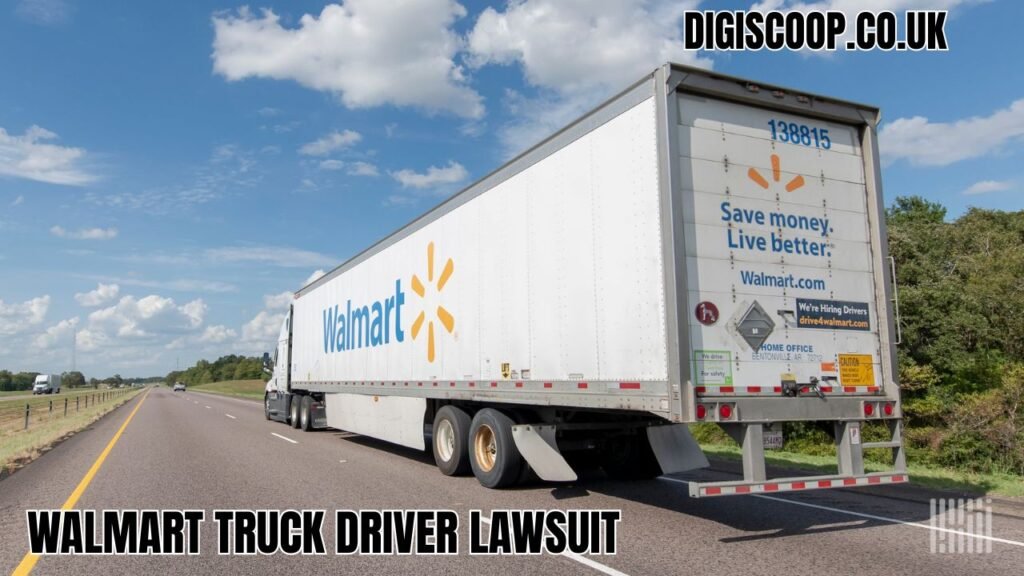
The Walmart truck driver lawsuit focused on several central claims, including:
- Unpaid Work Time: Drivers claimed they weren’t paid for tasks performed outside of actual driving, such as inspections, paperwork, and waiting times.
- Rest and Meal Break Violations: Plaintiffs alleged that Walmart failed to properly compensate them for mandatory rest and meal periods required under California law.
- Unlawful Pay System: The lawsuit argued that Walmart’s pay structure, which paid by the mile and certain activities but not for all working hours, violated wage regulations.
- Overtime Compensation: Some drivers also claimed they were denied appropriate overtime pay for extended work hours.
Each of these factors contributed to the mounting pressure on Walmart to review its driver pay policies, leading to one of the largest wage-related lawsuits in trucking history — the Walmart truck driver lawsuit.
The Verdict and Settlement
After years of legal proceedings, the Walmart truck driver lawsuit culminated in a significant victory for the plaintiffs. In 2016, a federal jury ruled that Walmart had indeed failed to properly compensate its California truck drivers for certain activities.
As a result, Walmart was ordered to pay over $54 million in damages and back pay to more than 850 drivers. This decision sent shockwaves through the logistics industry, as it underscored the need for large corporations to comply strictly with state labor laws.
Although Walmart appealed the decision, the Walmart truck driver lawsuit ultimately reinforced the principle that drivers must be paid for all time spent working — not just the time spent driving.
Walmart’s Response to the Lawsuit
In response to the Walmart truck driver lawsuit, the company maintained that its pay practices were fair and among the most competitive in the trucking industry. Walmart has long been known for offering some of the highest pay rates and benefits for its drivers compared to other national carriers.
However, following the verdict, Walmart made efforts to clarify and refine its compensation policies to ensure compliance with state and federal labor standards.
While the company did not admit wrongdoing, the Walmart truck driver lawsuit served as a wake-up call to review its policies, improve transparency, and reduce the risk of future disputes.
Broader Implications for the Trucking Industry
The Walmart truck driver lawsuit had major implications far beyond Walmart itself. The outcome influenced how other transportation companies approached their pay systems and employment contracts.
Here’s how it reshaped the industry:
- Increased Labor Awareness: Truck drivers across the U.S. became more aware of their legal rights regarding pay and working hours.
- Policy Reform: Companies began re-evaluating compensation structures to ensure full compliance with labor laws.
- Corporate Accountability: The lawsuit highlighted the responsibility of large corporations to maintain fair and transparent employment practices.
- Legal Precedent: The case set a precedent for future lawsuits related to unpaid work time and wage claims in the trucking sector.
The Walmart truck driver lawsuit thus marked a pivotal moment in labor relations for one of America’s most vital industries.
The Tracy Morgan Case: A Separate but Related Incident
When people hear about the Walmart truck driver lawsuit, many also recall the tragic 2014 accident involving comedian Tracy Morgan. Although this was a separate legal case, it also involved a Walmart truck driver who had reportedly been awake for over 24 hours before the crash.
The accident resulted in serious injuries for Tracy Morgan and the death of fellow comedian James McNair. The incident raised questions about driver fatigue, corporate oversight, and road safety — issues closely related to the concerns raised in the Walmart truck driver lawsuit.
Walmart reached an undisclosed settlement with Tracy Morgan, further intensifying public discussion about the company’s trucking operations and driver management policies.
Public Reaction and Media Coverage
The Walmart truck driver lawsuit attracted widespread media attention, not just because of its high monetary value but because of what it represented: the tension between efficiency-driven corporate logistics and worker rights.
News outlets and commentators debated whether Walmart’s practices reflected systemic issues within the broader trucking industry. Labor advocates praised the verdict as a step forward for fair pay, while some business analysts warned it could lead to higher operational costs and reduced flexibility for employers.
Regardless of opinion, the Walmart truck driver lawsuit became a symbol of accountability in an industry often overlooked in public discourse.
Lessons Learned from the Walmart Truck Driver Lawsuit
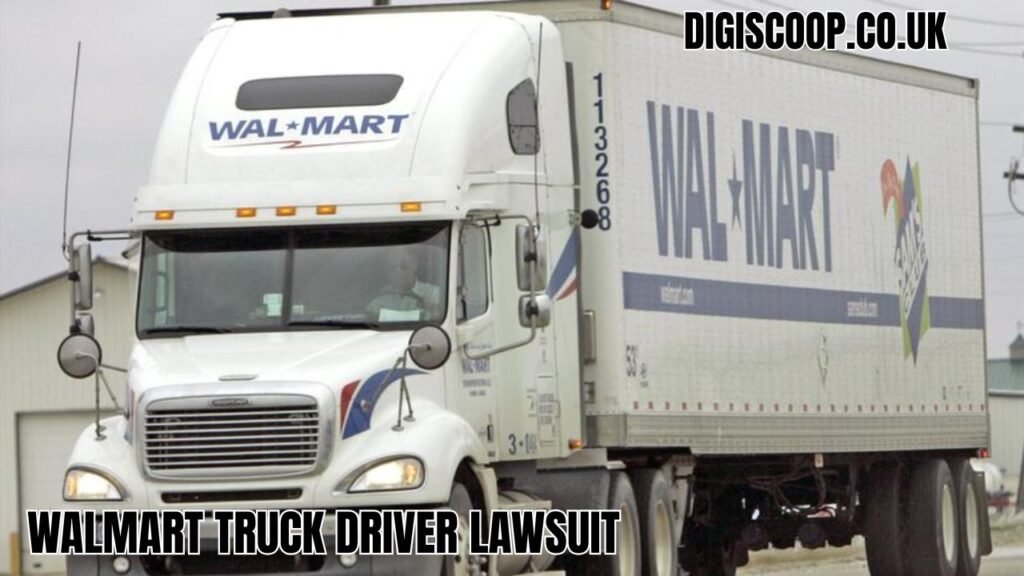
Several key lessons can be drawn from the Walmart truck driver lawsuit:
- Compliance is Non-Negotiable: Companies must fully understand and adhere to state and federal labor laws.
- Fair Compensation Builds Loyalty: Paying employees fairly leads to better retention, morale, and performance.
- Transparency Prevents Litigation: Clear communication of pay structures helps avoid future disputes.
- Corporate Responsibility Matters: Large employers are expected to set the standard for fair treatment.
The Walmart truck driver lawsuit serves as a powerful reminder that even the biggest corporations must prioritize ethical and legal labor practices.
How Walmart Has Changed Since the Lawsuit
In the years following the Walmart truck driver lawsuit, Walmart has made visible changes in its logistics and driver management practices. The company has improved scheduling, rest policies, and compensation guidelines.
In fact, Walmart truck drivers are now among the highest-paid in the U.S., with average annual salaries exceeding $90,000. The company continues to invest in safety programs and driver well-being initiatives — lessons learned from both the lawsuit and related incidents.
The Future of Truck Driver Lawsuits
The outcome of the Walmart truck driver lawsuit has paved the way for new discussions about fair pay, rest regulations, and automation in logistics. As the trucking industry evolves — with more focus on technology and driver health — the legacy of this lawsuit remains a critical point of reference for how companies balance profitability with ethical labor practices.
Conclusion: The Impact of the Walmart Truck Driver Lawsuit
The Walmart truck driver lawsuit is more than just a corporate legal battle; it represents a turning point in how America views truck drivers, their working conditions, and their value to the economy.
From unpaid work claims to improved pay structures, the lawsuit’s influence continues to shape labor policies and industry standards across the country. Walmart’s experience serves as both a warning and a model — a lesson in accountability and adaptation that other corporations continue to learn from.
Also Read: What Time Does Hardees Stop Serving Breakfast – Complete Guide to Hardee’s Morning Menu
